On October 31, collegeof veterinary medicinegrandly held the 2025 International Symposium on Major Animal Diseases and Zoonoses in the multi-function hall on the second floor of the main teaching building at Yangzhou University’s Hehuachi Campus. The conference was jointly organized by the Jiangsu Provincial Collaborative Innovation Center for Prevention and Control of Major Animal Diseases and Zoonoses, the“111 Program”Innovation Introduction Base for Prevention and Control of Major Animal Diseases and Zoonoses, the Jiangsu Interdisciplinary Center for Zoonoses and Biosafety, the Jiangsu Provincial Key Laboratory of Zoonoses, the Jiangsu Key Laboratory of Animal Disease Prevention and Control and Biosafety, the Ministry of Education Key Laboratory of Avian Preventive Medicine, the Jiangsu International Joint Laboratory on Prevention and Control Technology for Major Animal Diseases and Zoonoses, the Yangzhou University“Belt and Road”Joint Laboratory for Food Grain and Safety, and the College of Veterinary Medicine/Institute of Comparative Medicine at Yangzhou University.
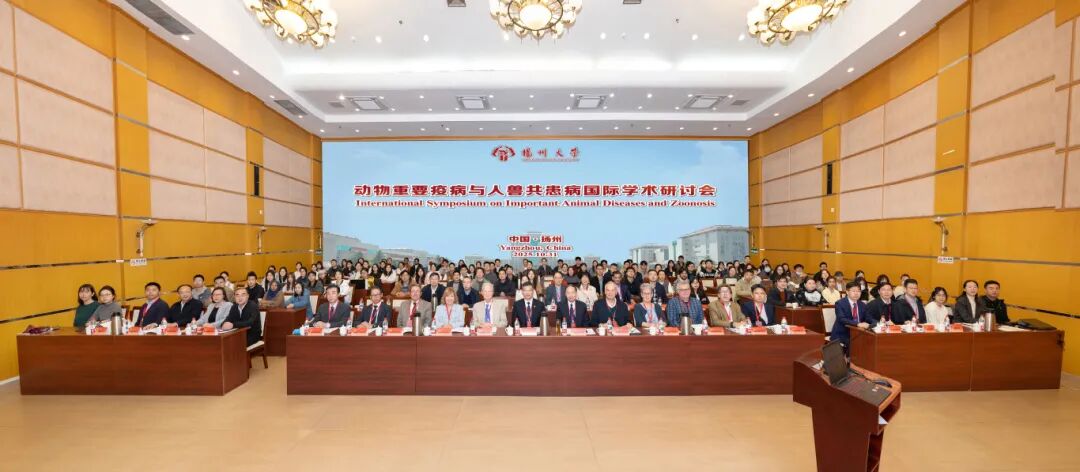
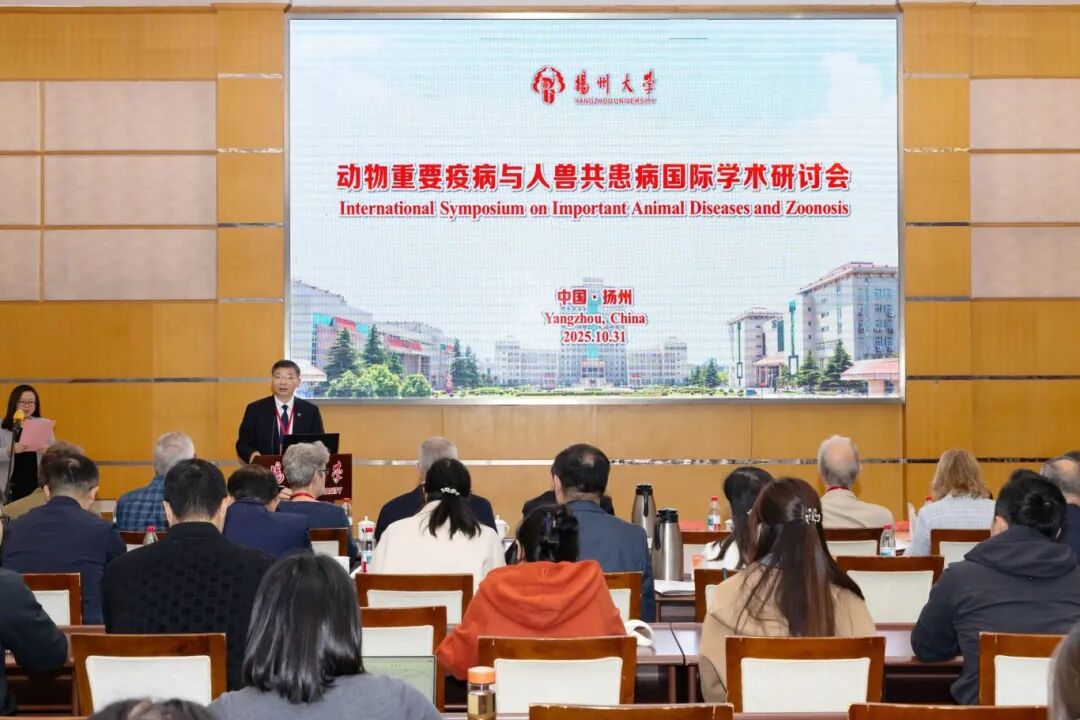
The symposium opening ceremony was presided over by Professor Wang Zhiqiang, Dean of the college, who introduced the distinguished keynote speakers from eight countries: France, the United Kingdom, Portugal, Japan, Denmark, the United States, Pakistan, and Myanmar, totaling thirteen experts. Also present at the event were leaders, faculty, and students from Yangzhou University’s Office of Science and Technology, International Cooperation and Exchange Office, and the College of Veterinary Medicine.
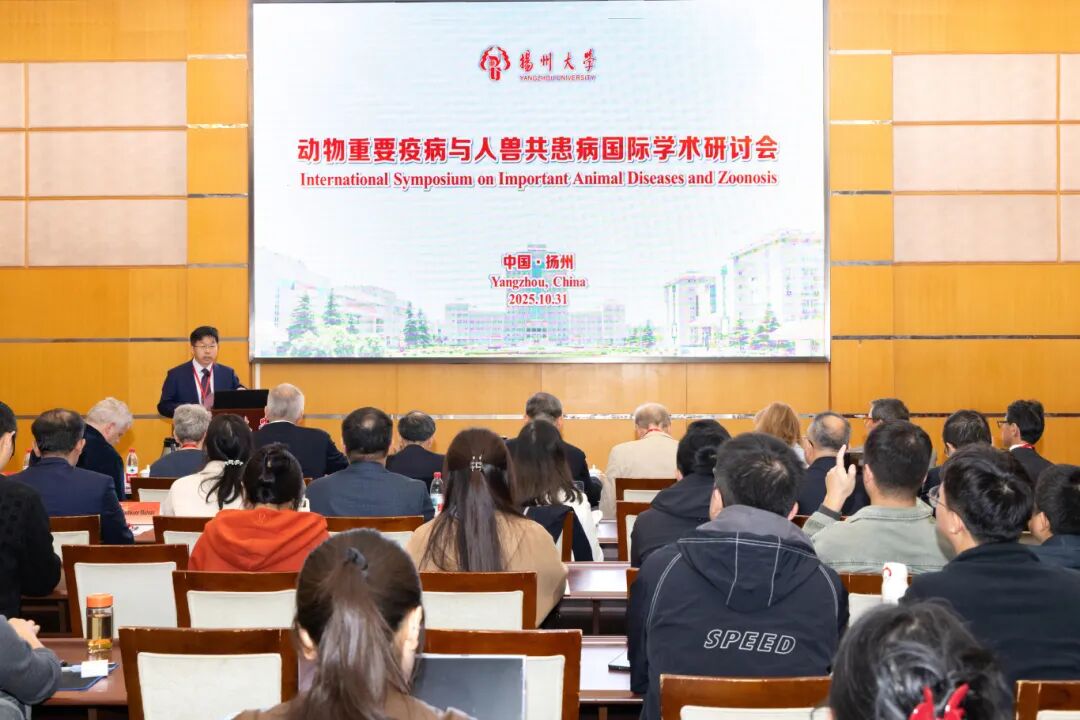
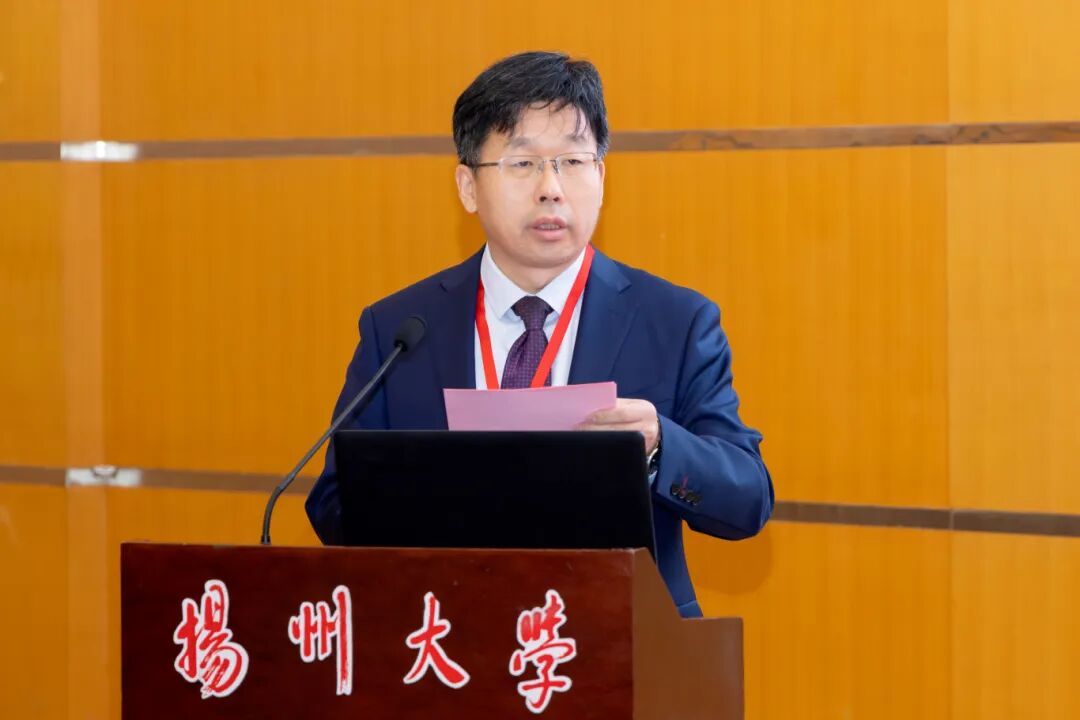
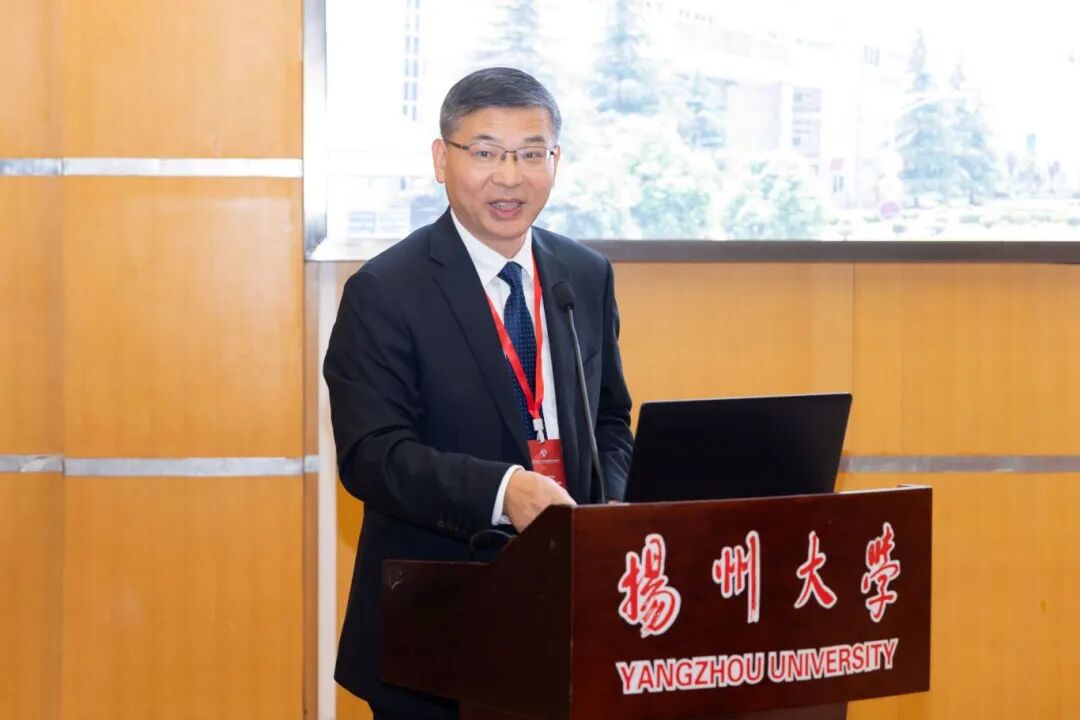
Professor Liu Qiaoquan, Deputy Secretary of the Party Committee and President of Yangzhou University, briefly introduced the university’s recent achievements in veterinary disciplines and emphasized that this symposium would promote the high-quality development of the university’s “Collaborative Innovation Center for Prevention and Control of Major Animal Diseases and Zoonoses,” effectively enhancing global research and prevention capabilities for major animal diseases and zoonoses.
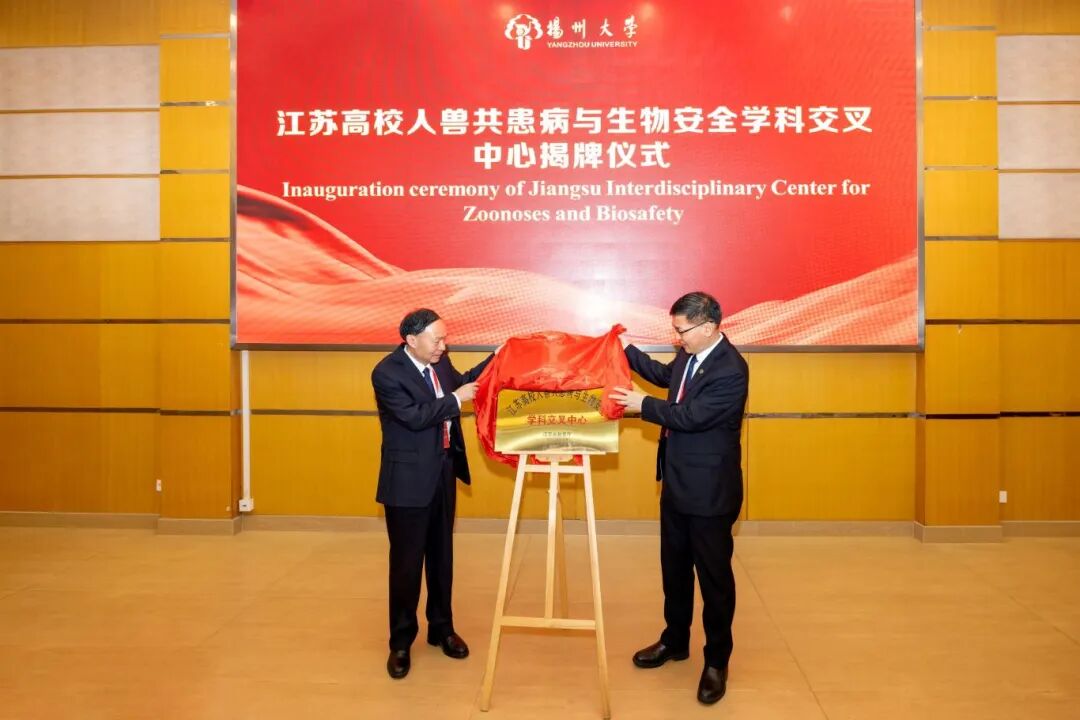
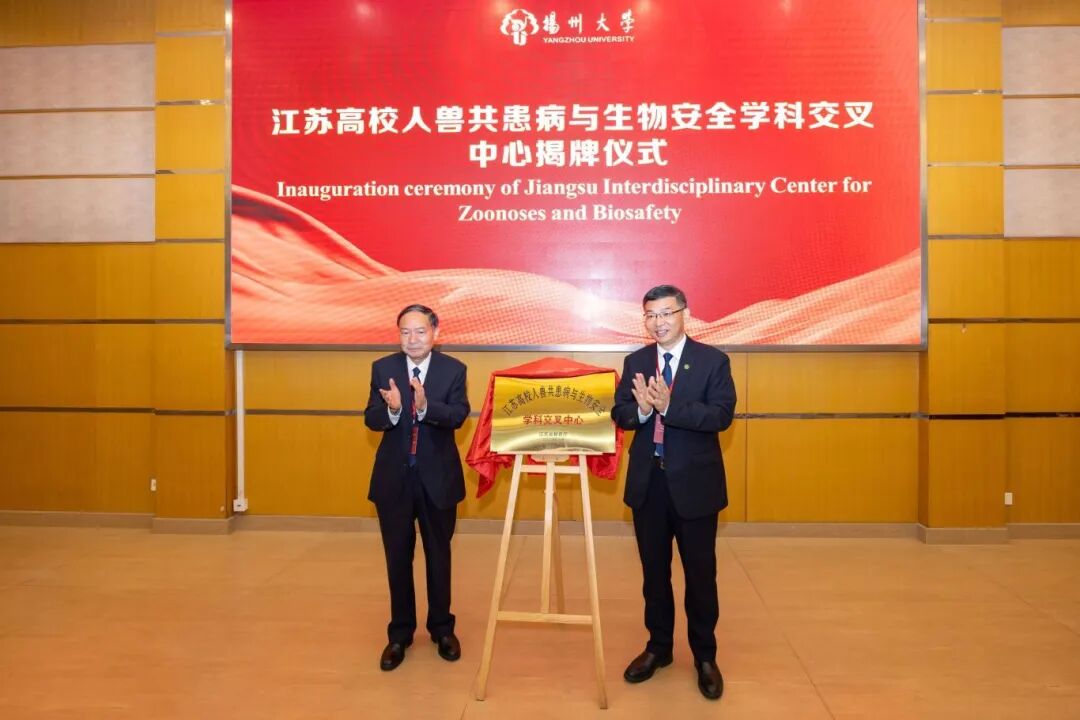
Subsequently, President Liu Qiaoquan and Professor Jiao Xin’an, Director of the Jiangsu Interdisciplinary Center for Zoonoses and Biosafety, jointly unveiled the plaque for the “Jiangsu Interdisciplinary Center for Zoonoses and Biosafety.”
The symposium specially invited Professor Marc Lecuit from the Institut Pasteur in France, Professor Paul Barrow from the University of Surrey in the UK, Professor Graça Ferreira Dias from the University of Lisbon in Portugal, Professor Marjorie Gibbon from the University of Bath in the UK, Professor Takashi Takeuchi from Tottori University in Japan, and Professor Xu Peng from the University of Copenhagen in Denmark to deliver academic presentations. The morning academic sessions were chaired by Professor Qian Kun, Vice Dean of the College of Veterinary Medicine, and Professor Yin Yuelan from the College of Biological Science and Technology.
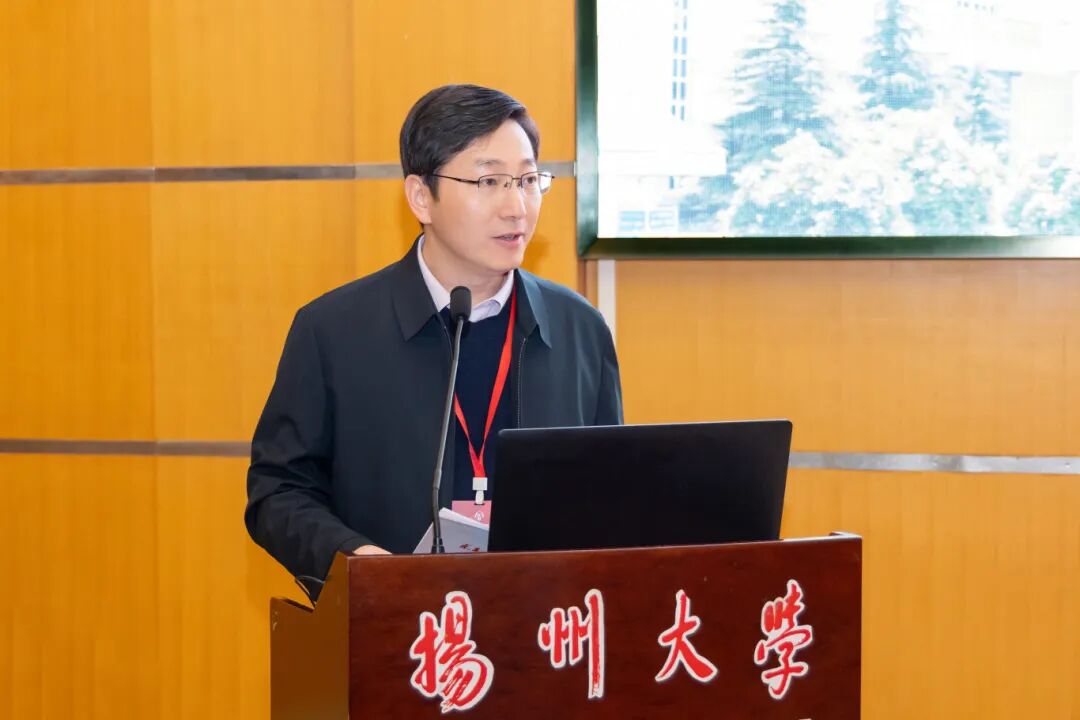

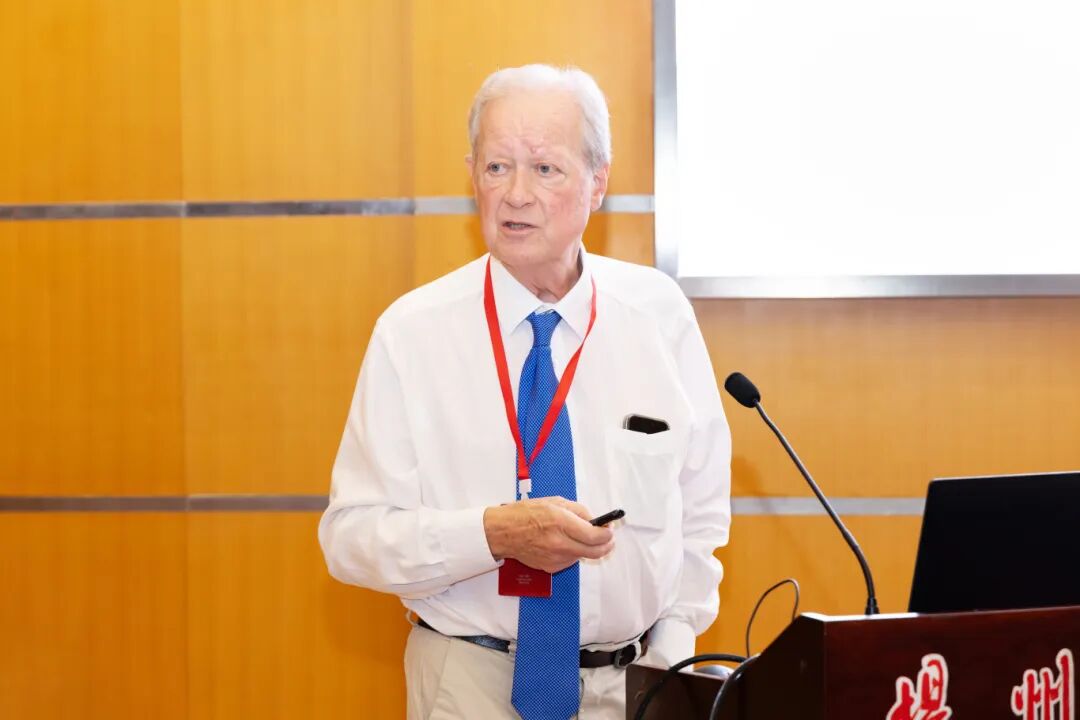
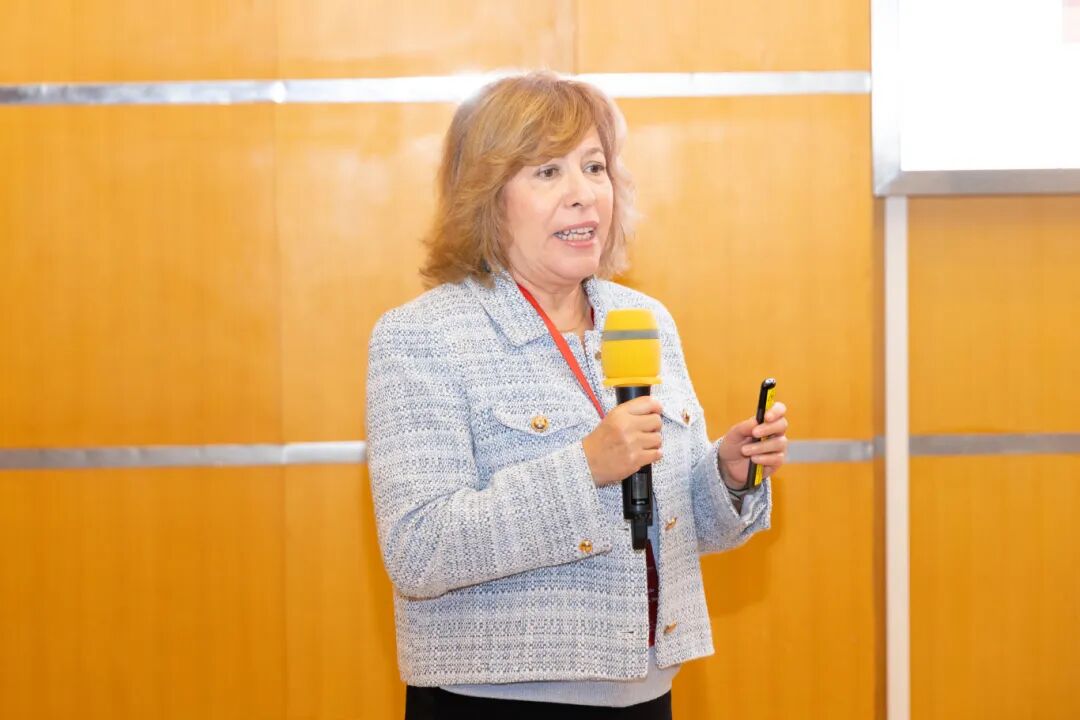
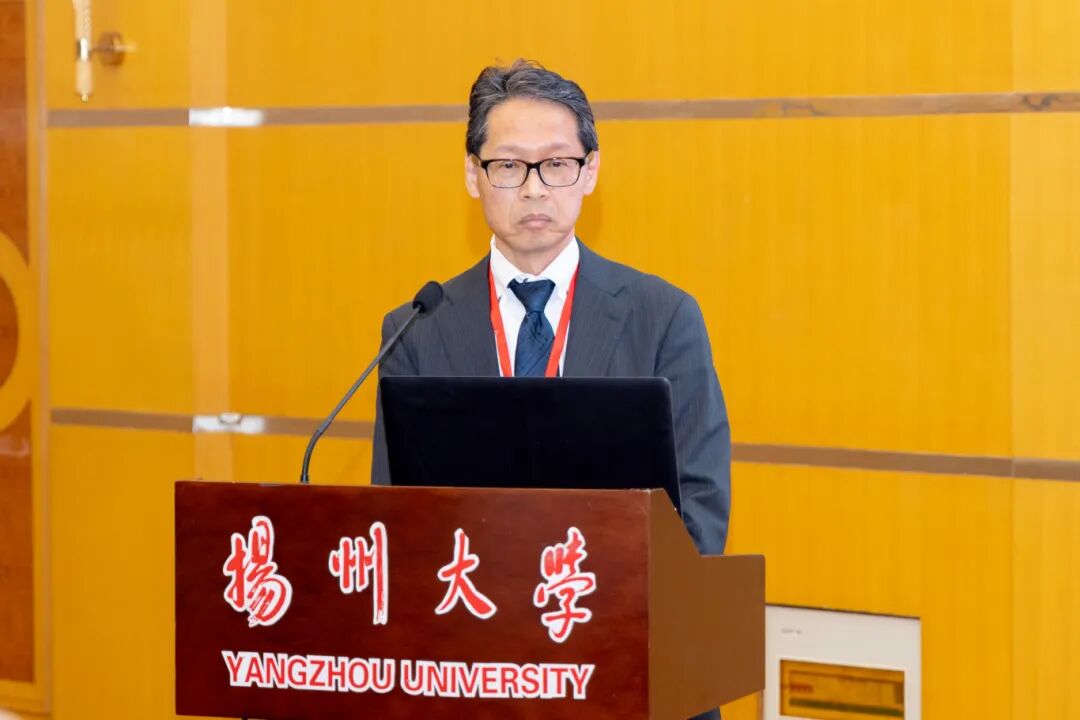

The symposium also specially invited Professor Patrick Butaye from City University of Hong Kong, Professor Edward Feil from the University of Bath in the UK, Professor Fernando Boinas from the University of Lisbon in Portugal, Professor Mashkoor Mohsin from the University of Agriculture Faisalabad in Pakistan, Professor Xu Wang from Auburn University in the USA, Professor Toshiyuki Murase from Tottori University in Japan, and Professor Thant Nyi Lin from the University of Veterinary Science in Myanmar to deliver academic presentations. The afternoon academic sessions were chaired by Professor Li Ruichao from the College of Veterinary Medicine and Professor Professor Li Qiuchun from the College of Biological Science and Technology.
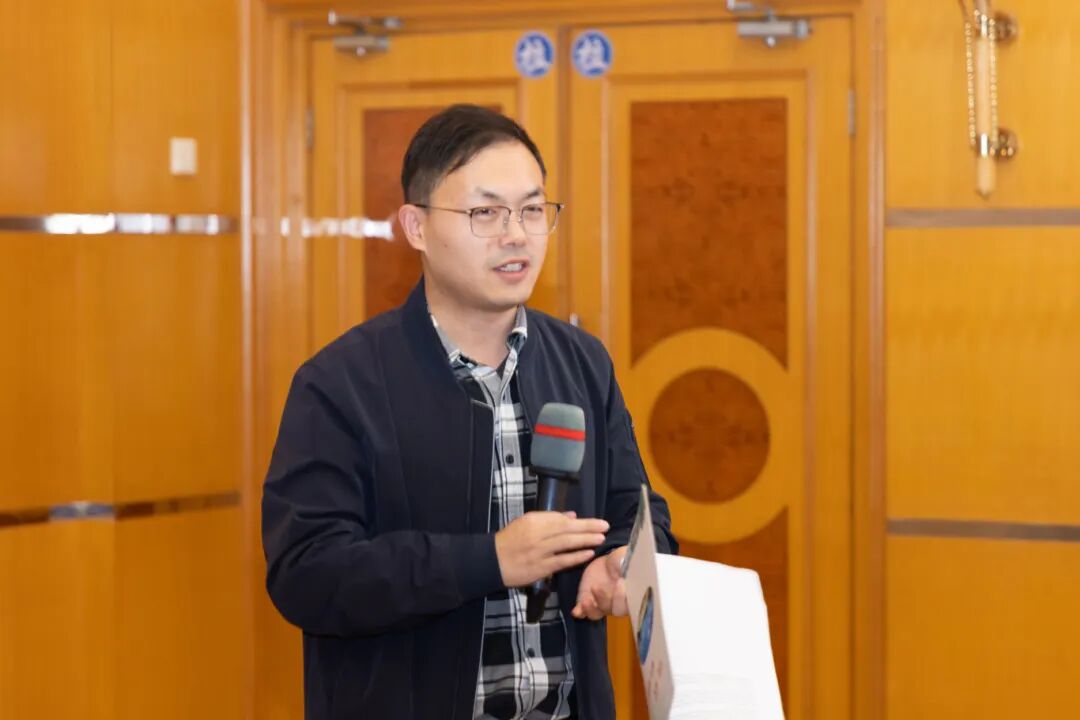
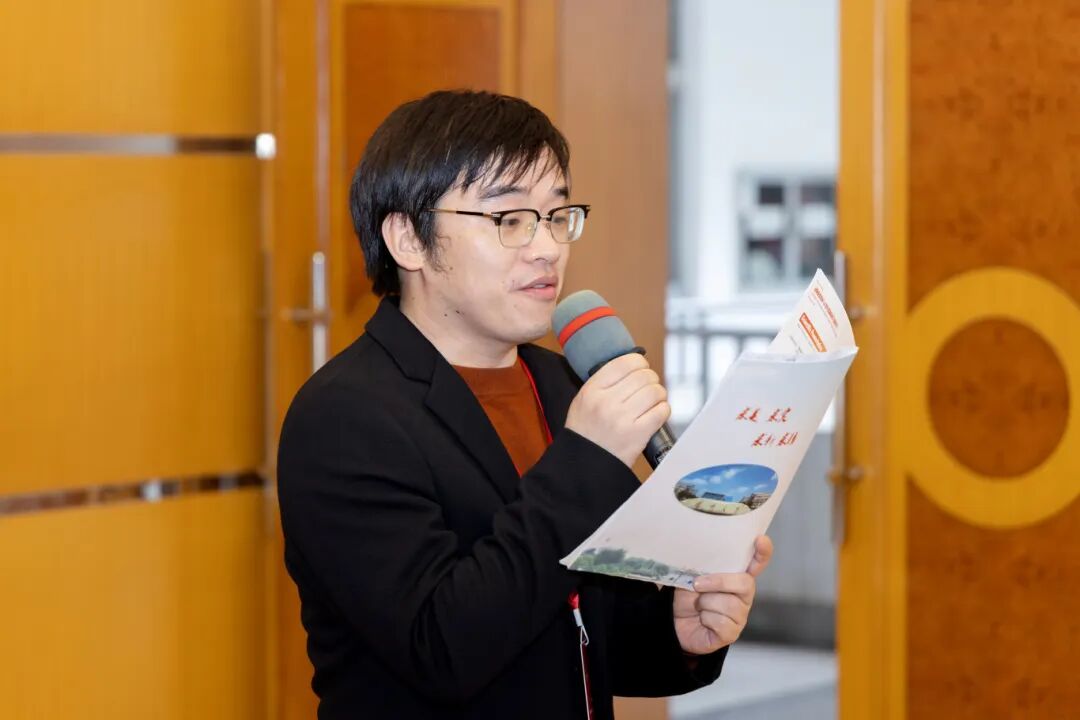


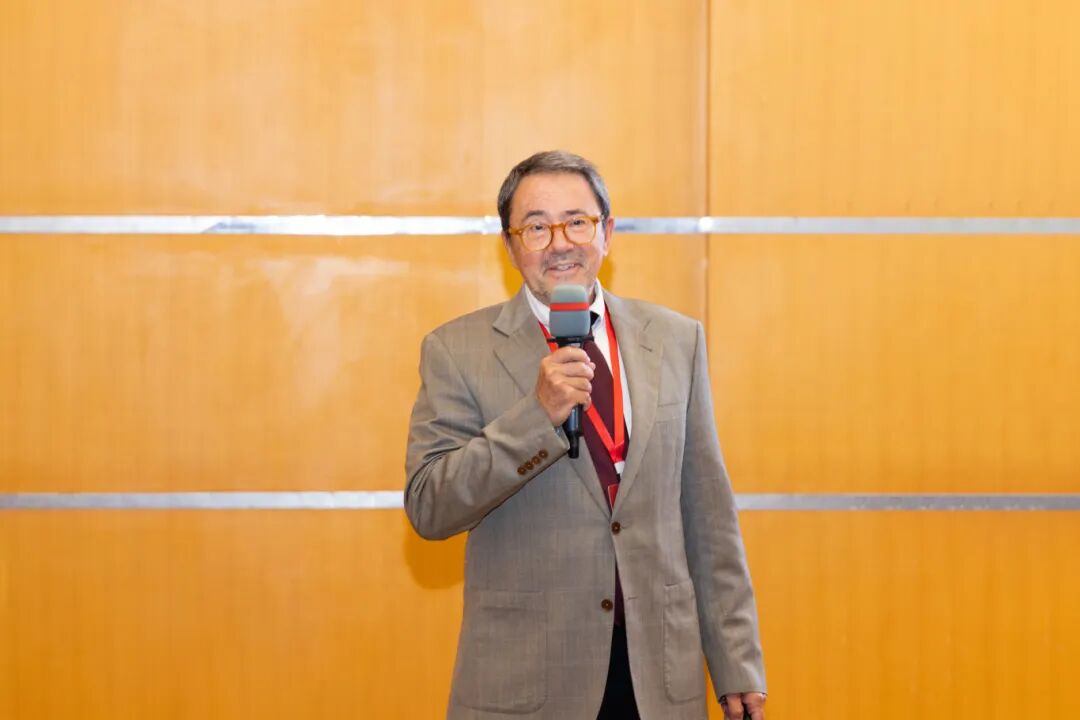
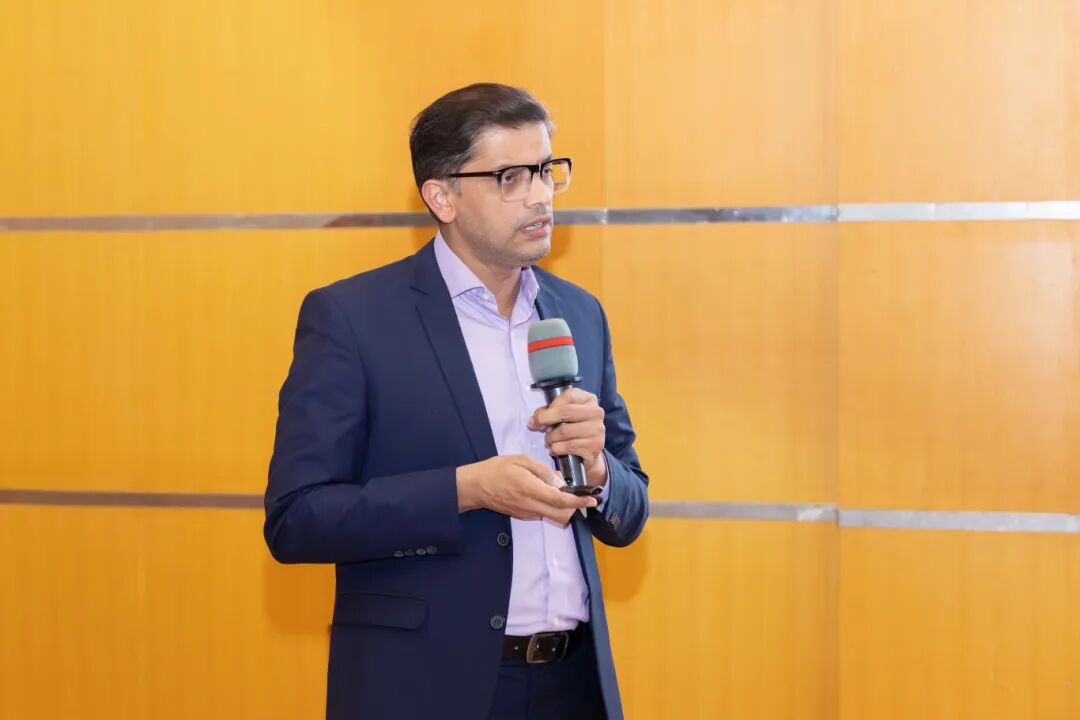
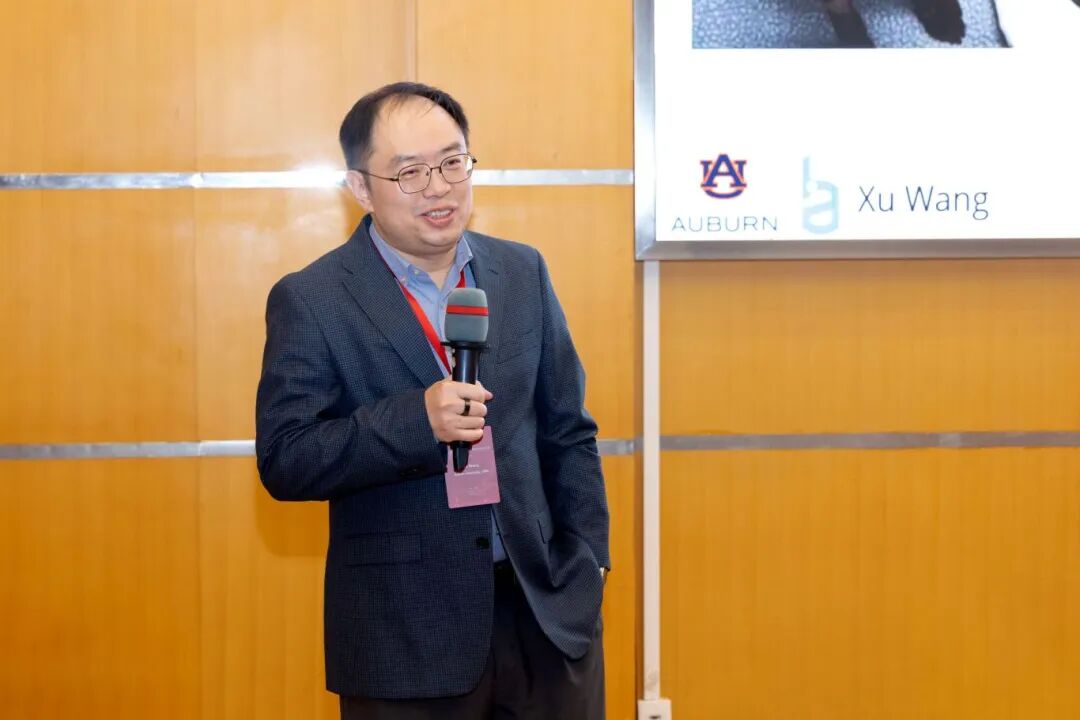
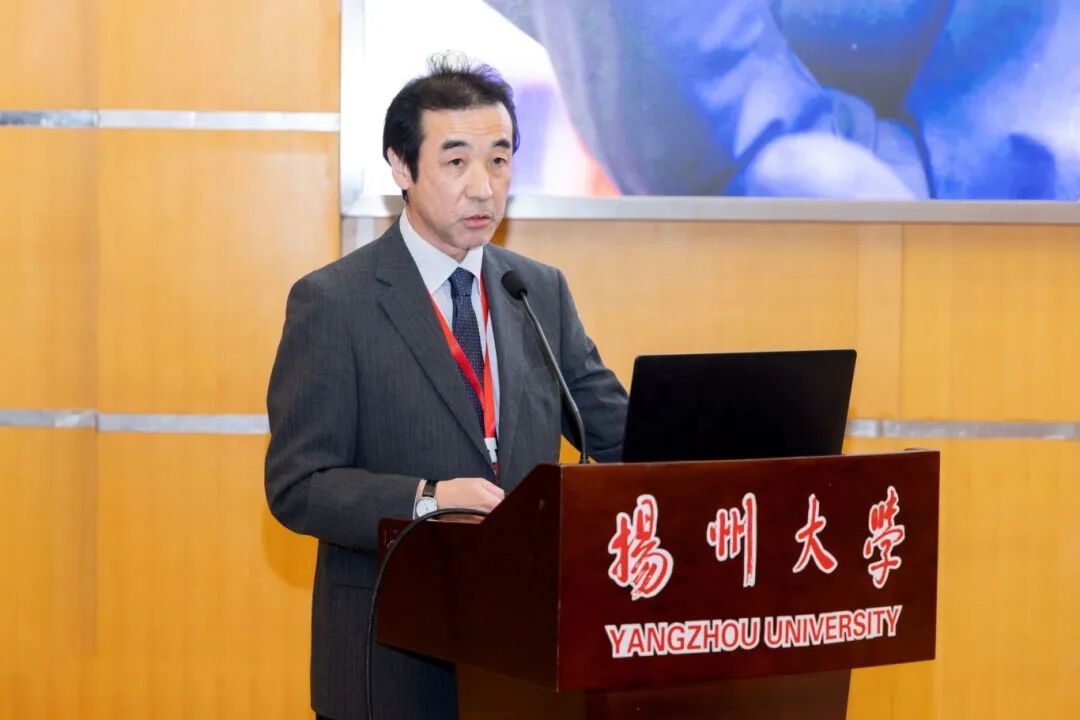
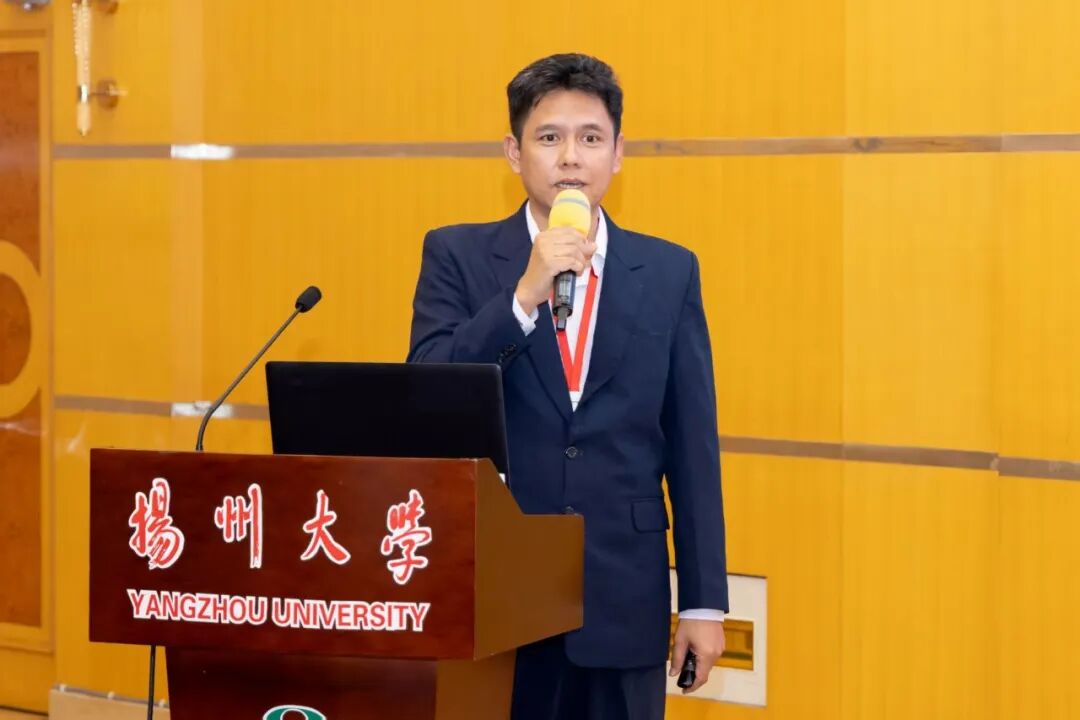
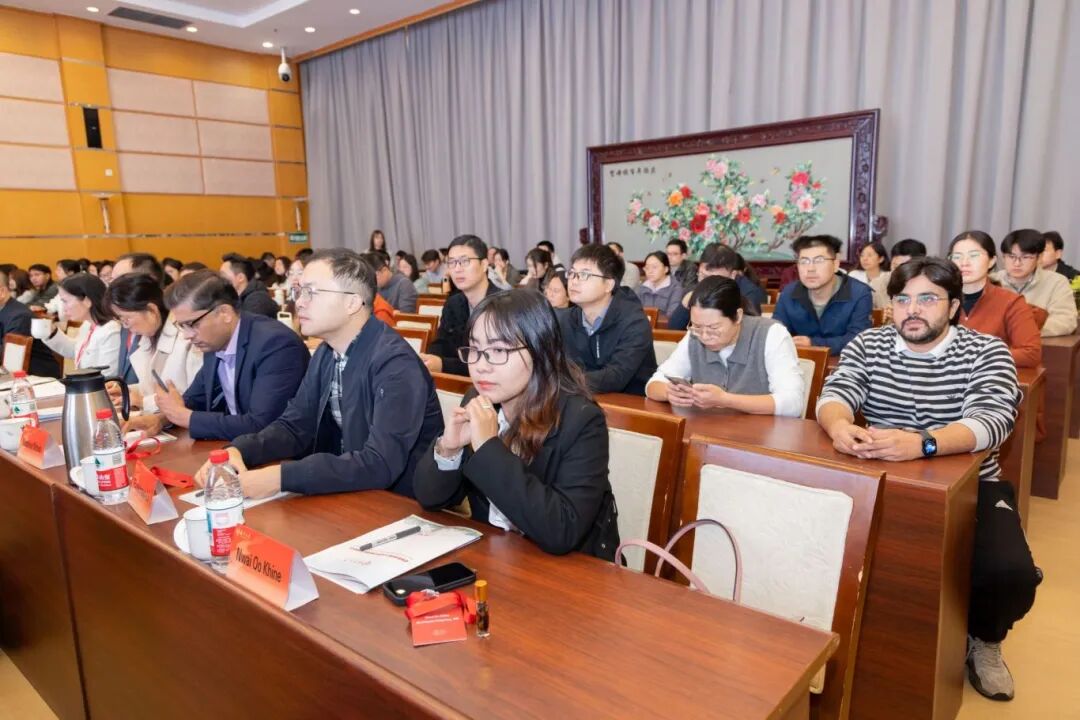
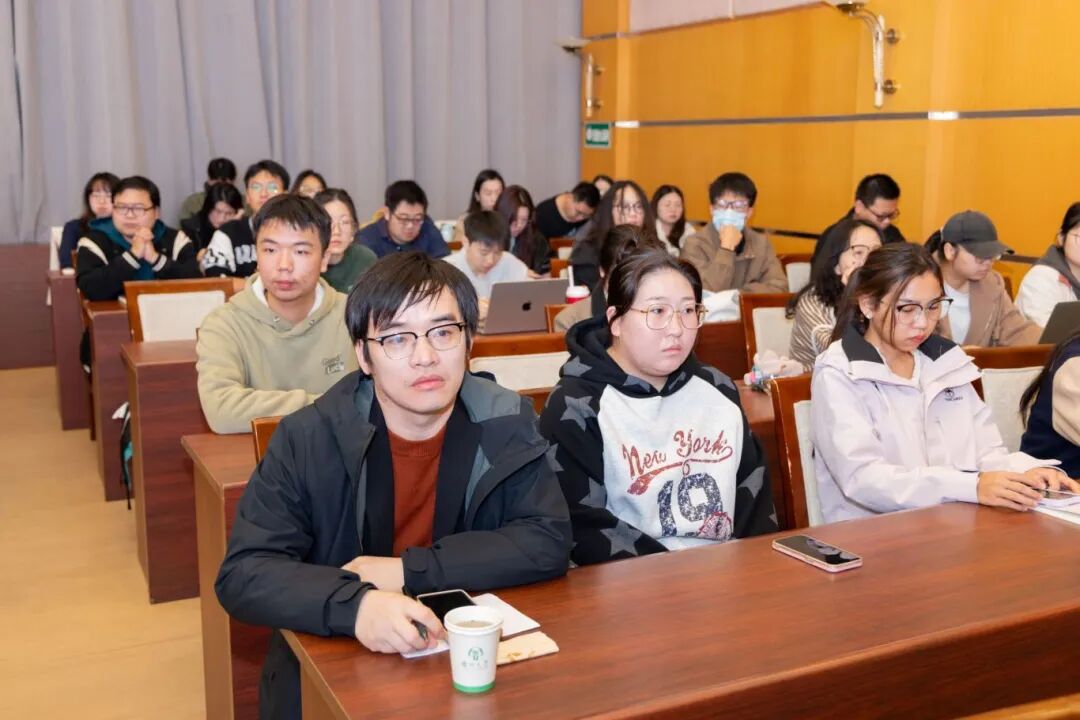
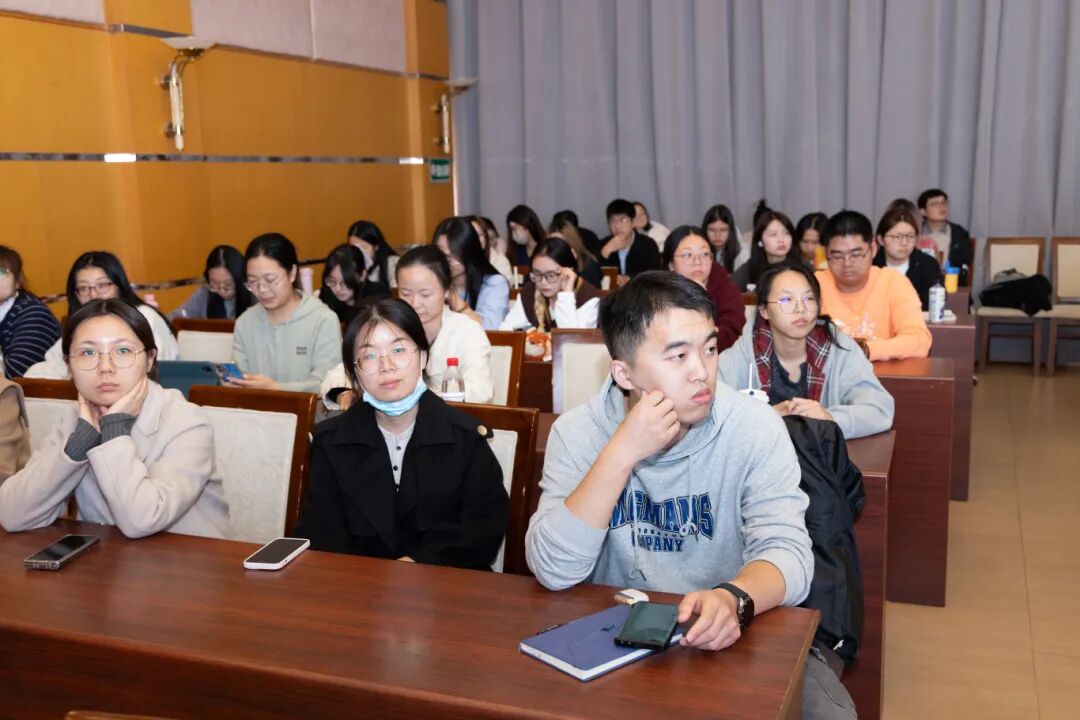
In the academic forum, experts, scholars, and young students gathered for in-depth discussions, freely exchanging ideas. Consensus was forged through the clash of perspectives, and inspiration sparked through intellectual dialogue. With rigorous academic attitudes, they delved into the core of the discipline and explored cutting-edge topics with open vision. Through sincere collaboration in joint research efforts, the bonds of veterinary academia connected across the world. This profound discussion not only demonstrated deep expertise and insights in the professional field but also paved a solid path for future scientific exploration and cross-disciplinary cooperation.

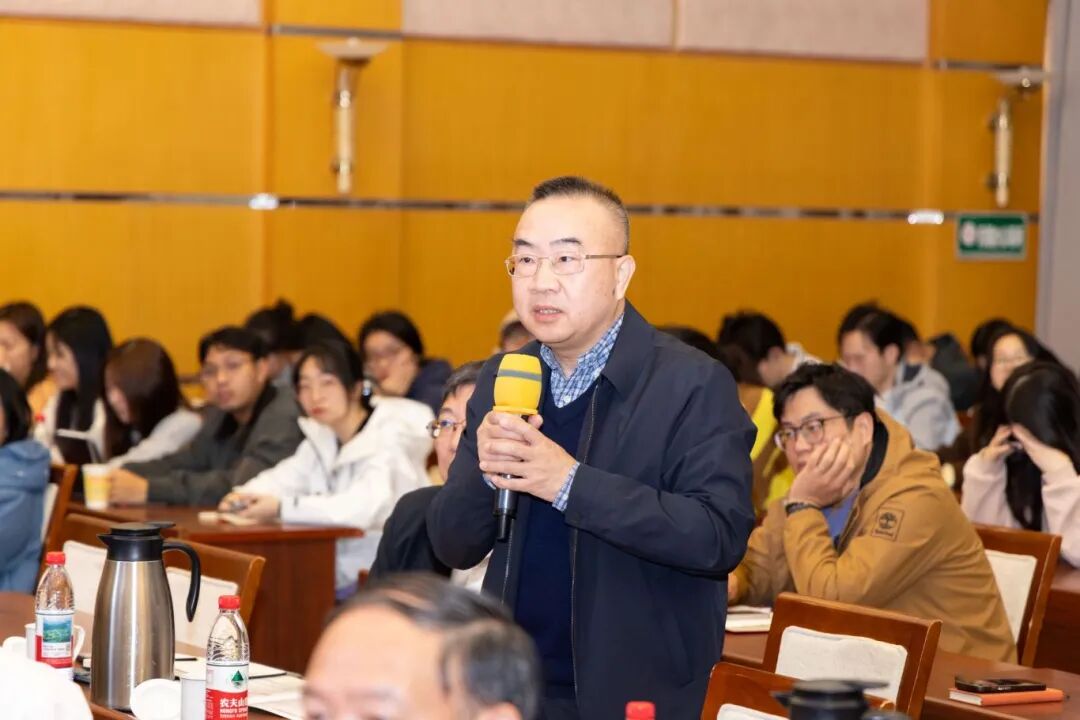
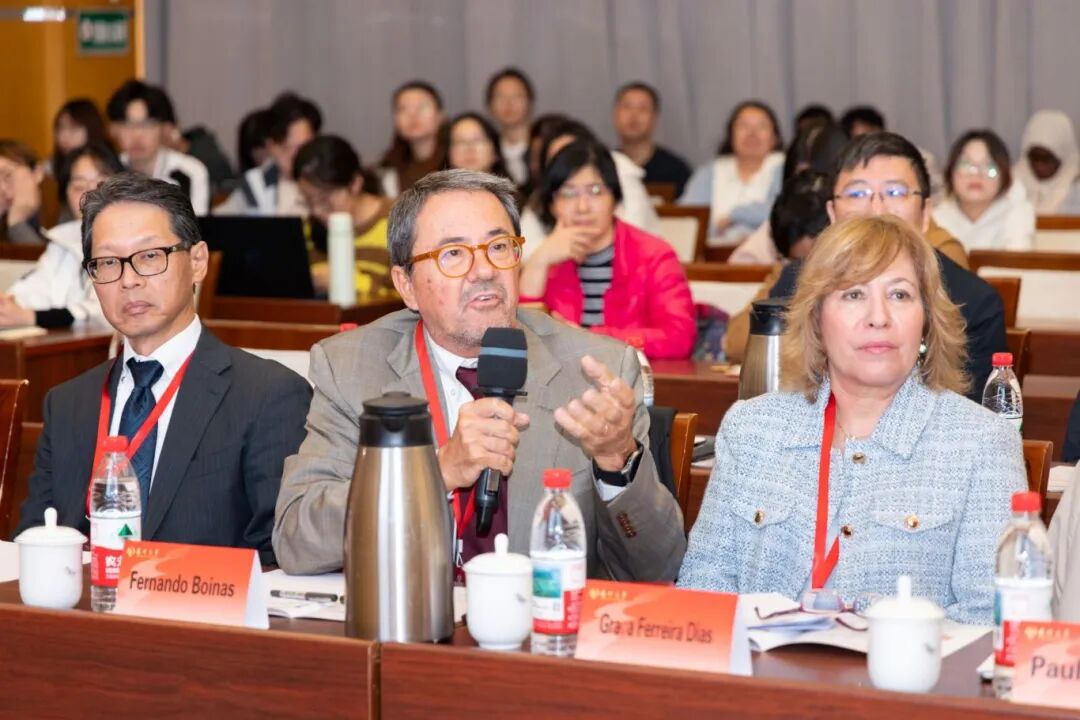
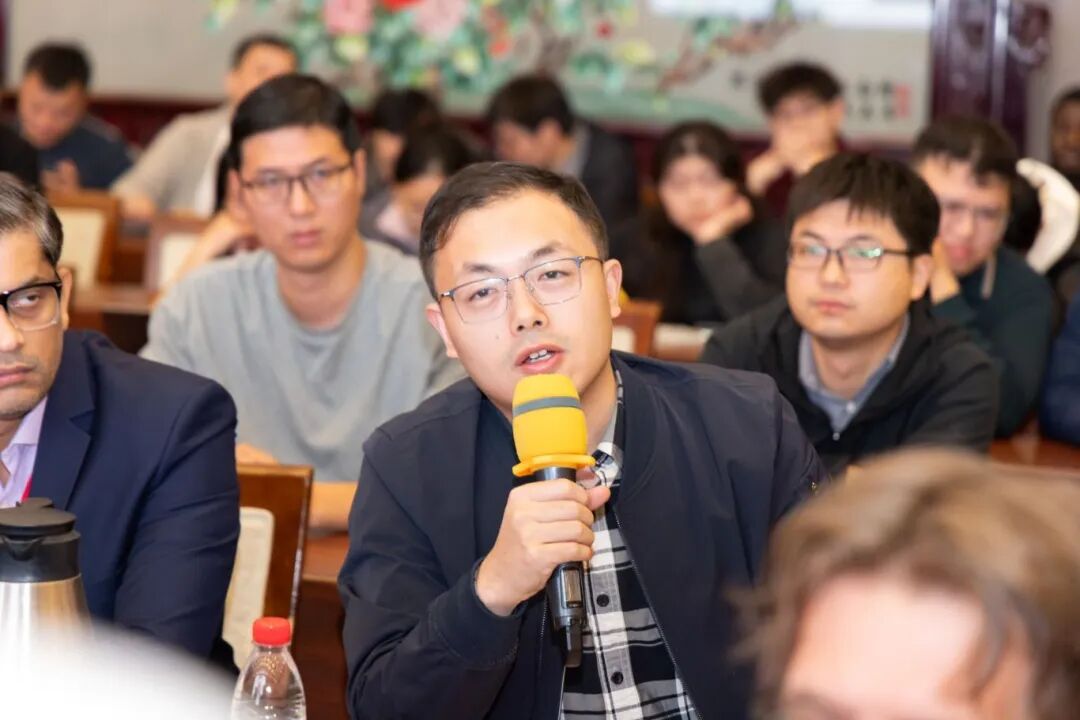
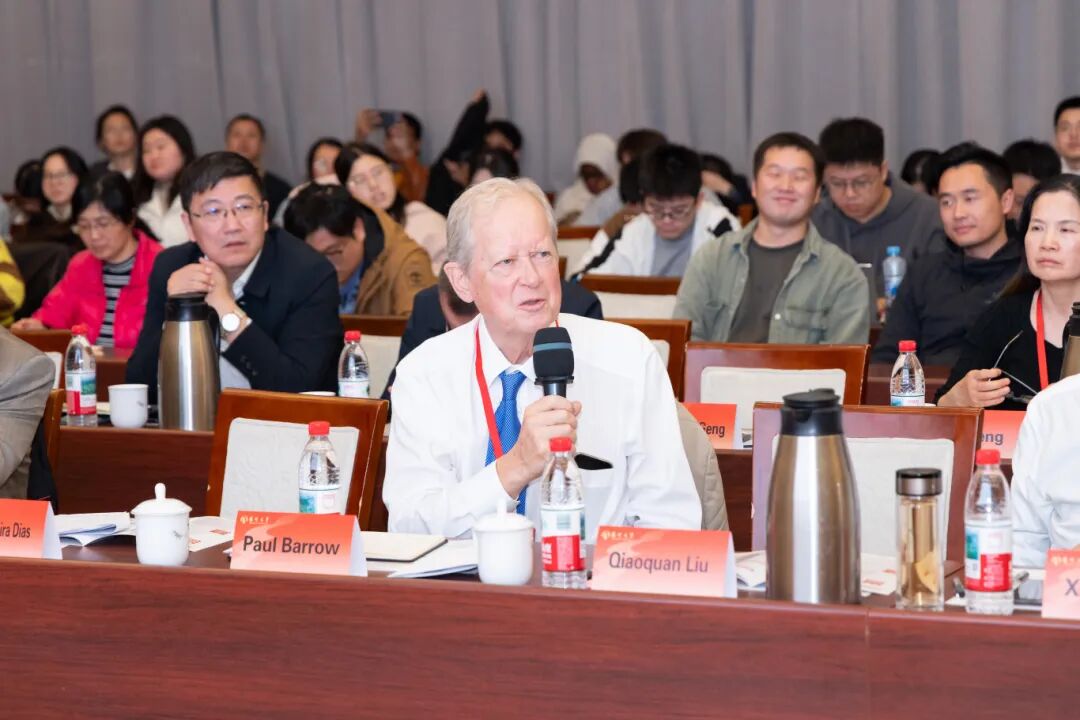
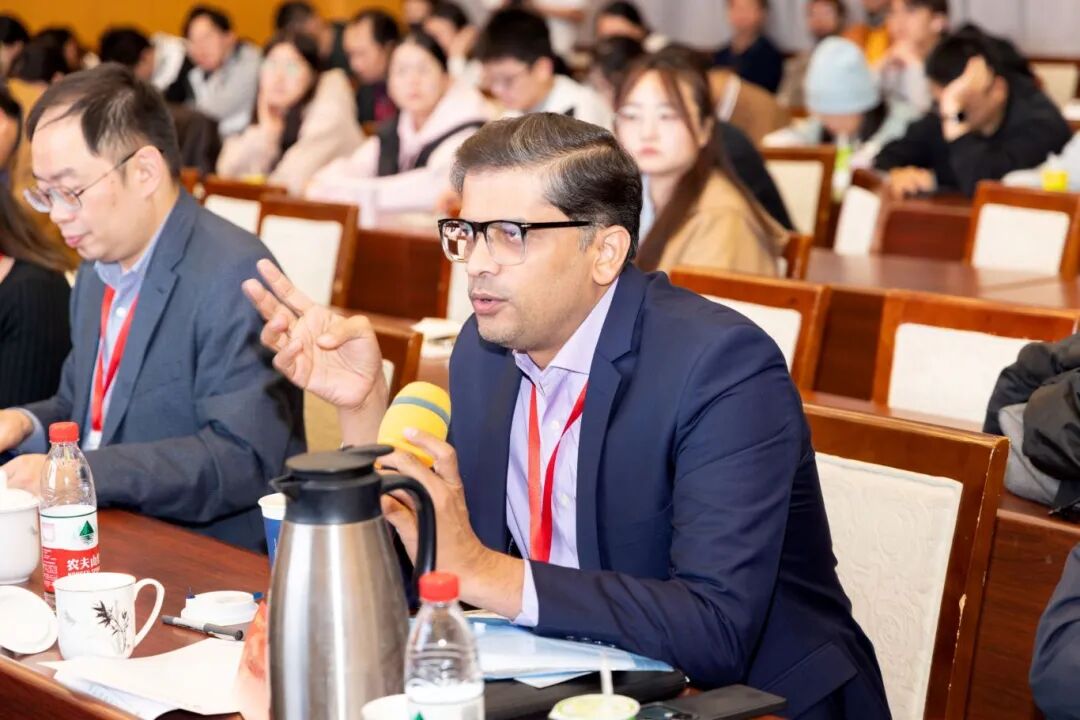
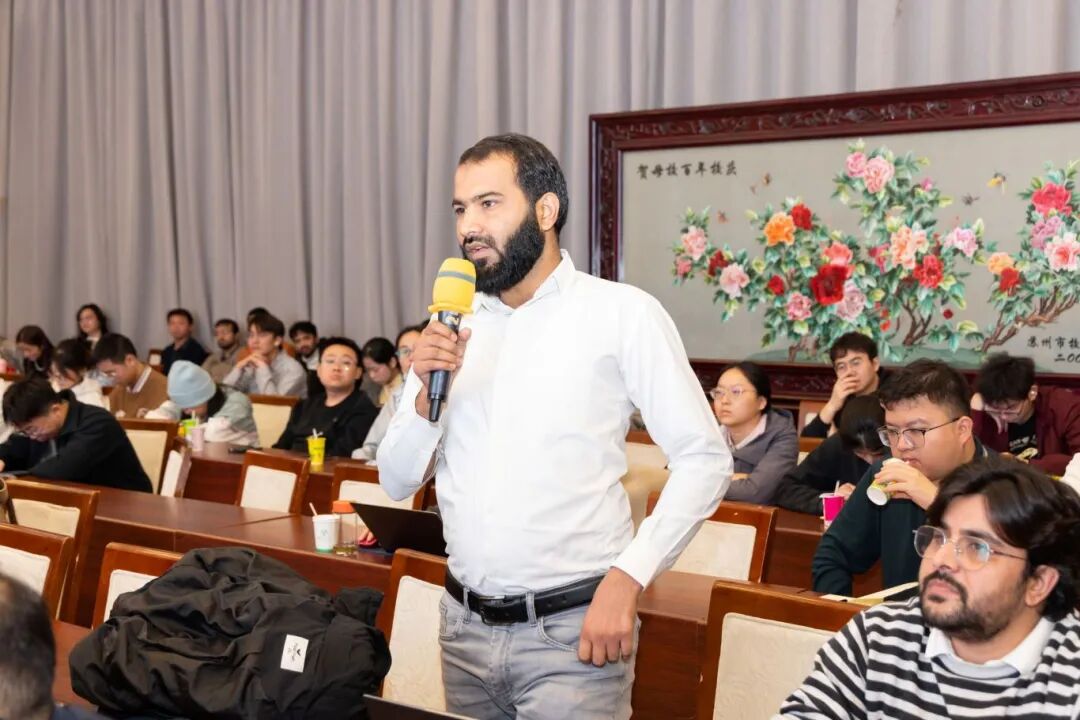

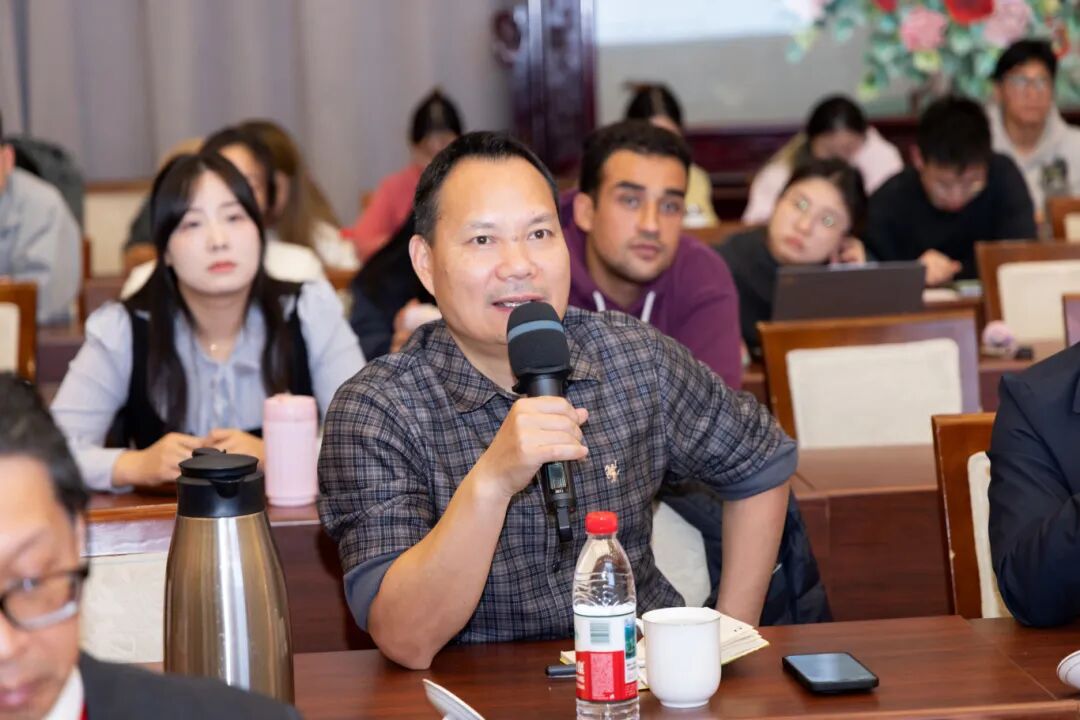
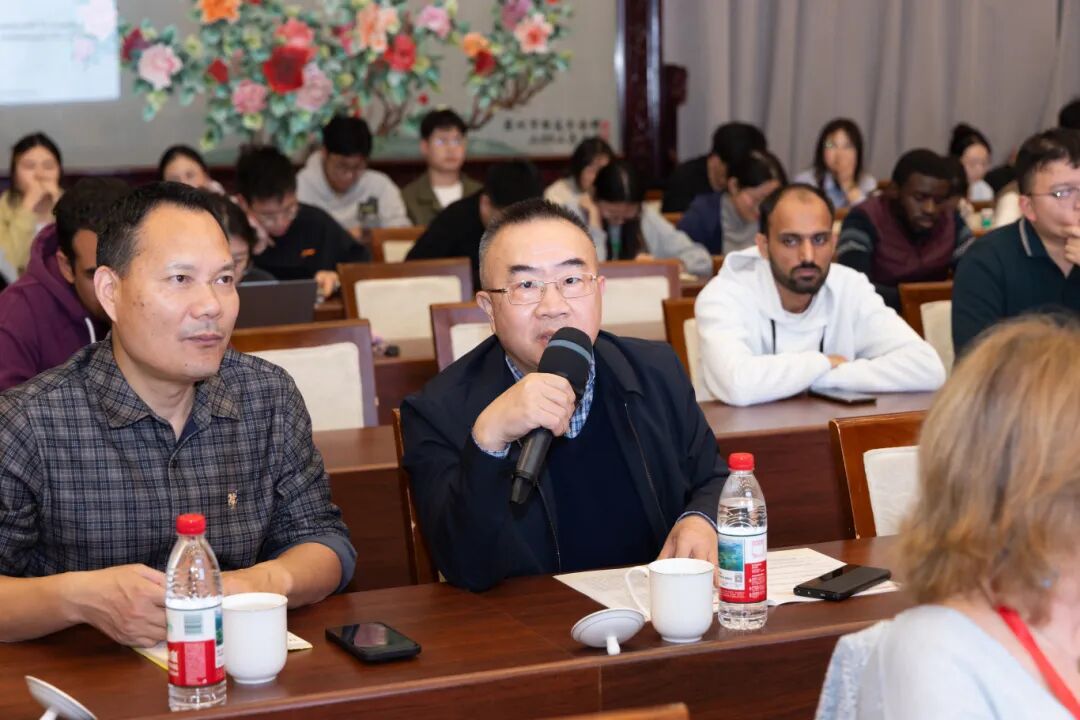
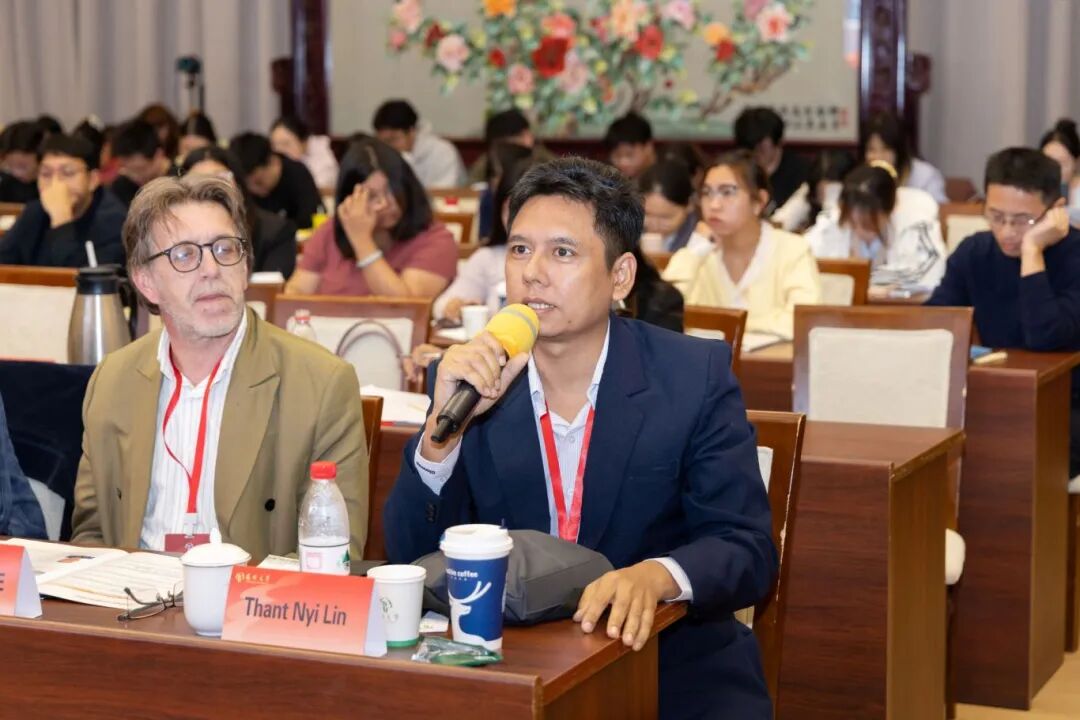
The successful conclusion of this international symposium has built a robust bridge for cooperation in the global field of major animal disease and zoonosis prevention and control. The collision of wisdom and exchange of ideas between Chinese and international experts have not only deepened understanding of disciplinary frontiers but also strengthened consensus for collaborative research. Moving forward, Yangzhou University will seize this opportunity to continuously promote interdisciplinary innovation and deepen international cooperation, striving to contribute China's strength to the global public health barrier and the “One Health” initiative.
 苏公网安备 32100302010246号