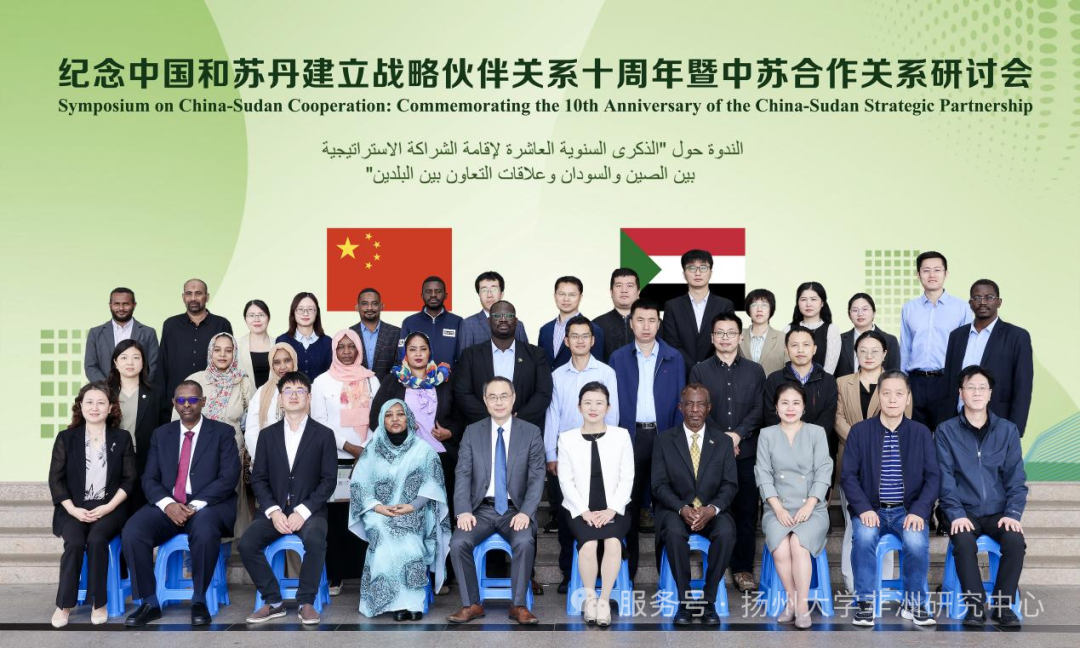
[Group photo at the “Symposiumon China-Sudan Cooperation:Commemorating the 10th Anniversary of China-Sudan Strategic Partnership and China-Sudan Cooperation”]
On October 17, 2025, to commemorate the 10th anniversary of the establishment of the strategic partnership between China and Sudan, the Sudan Research Center of Yangzhou University successfully hosted the “Symposiumon China-Sudan Cooperation:Commemorating the 10th Anniversary of China-Sudan Strategic Partnership and China-Sudan Cooperation.” Over 40 representatives, including diplomats, scholars, international students, and faculty and students from the research center, gathered at the Yangzijin Campus of Yangzhou University. Through opening remarks, a commemorative envelope release ceremony, and a roundtable forum, participants comprehensively reviewed the achievements of the past decade and deeply explored pathways for bilateral relations under the current situation.
Prior to the symposium, Vice President Cai Yiwei of Yangzhou University met with the Sudanese guests. She briefly introduced the university's development and its cooperation with Sudanese universities and research institutions. She expressed hope that, marking the start of the next decade of the strategic partnership between the two countries and with support from the Sudanese Ministry of Foreign Affairs and the Embassy in China, collaboration would be strengthened in agricultural modernization, food security, public health, and other areas, jointly advancing China-Sudan educational cooperation to a new level of higher quality and standard. During the meeting, Mahmoud Hamza, Director of the Asian Department of the Sudanese Ministry of Foreign Affairs, highly praised the cooperation between Yangzhou University and Sudanese universities and research institutions. He emphasized the significant potential for future collaboration and expressed strong expectations, hoping that this visit would further promote in-depth cooperation between the universities in areas such as personnel exchanges, scientific research innovation, and faculty and student interactions. Representatives from the International Cooperation and Exchange Office, the College of Foreign Languages, the Overseas Education College, and the Sudan Research Center of Yangzhou University attended the meeting.
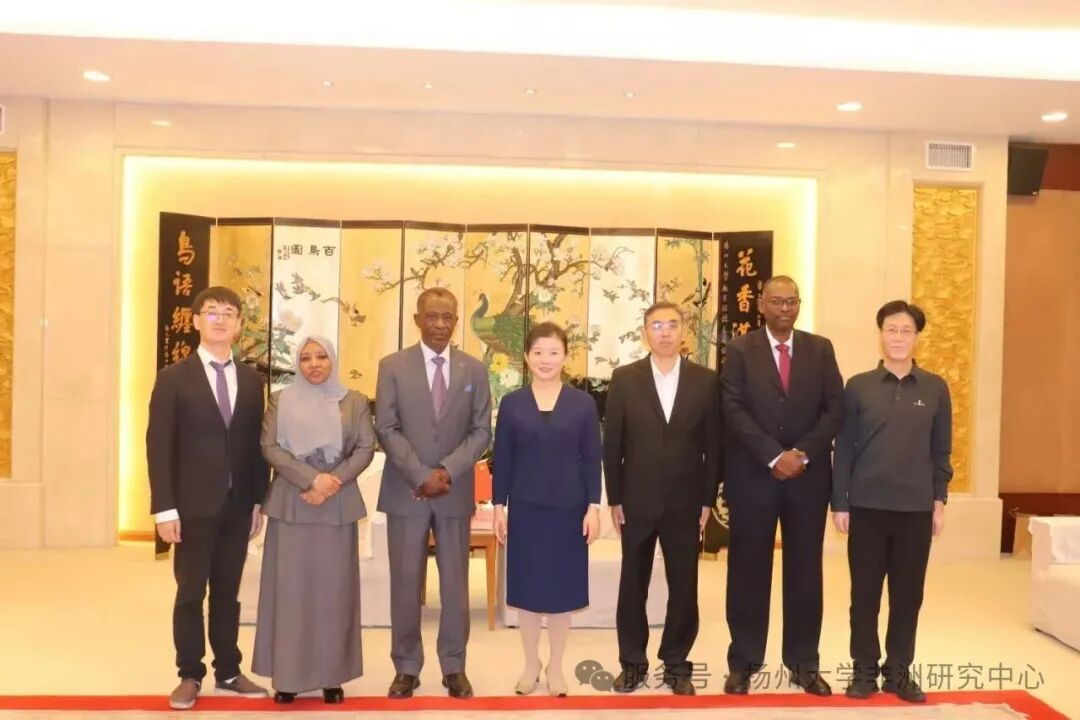
[Vice President Cai Yiwei of Yangzhou University Meets with Sudanese Guests]
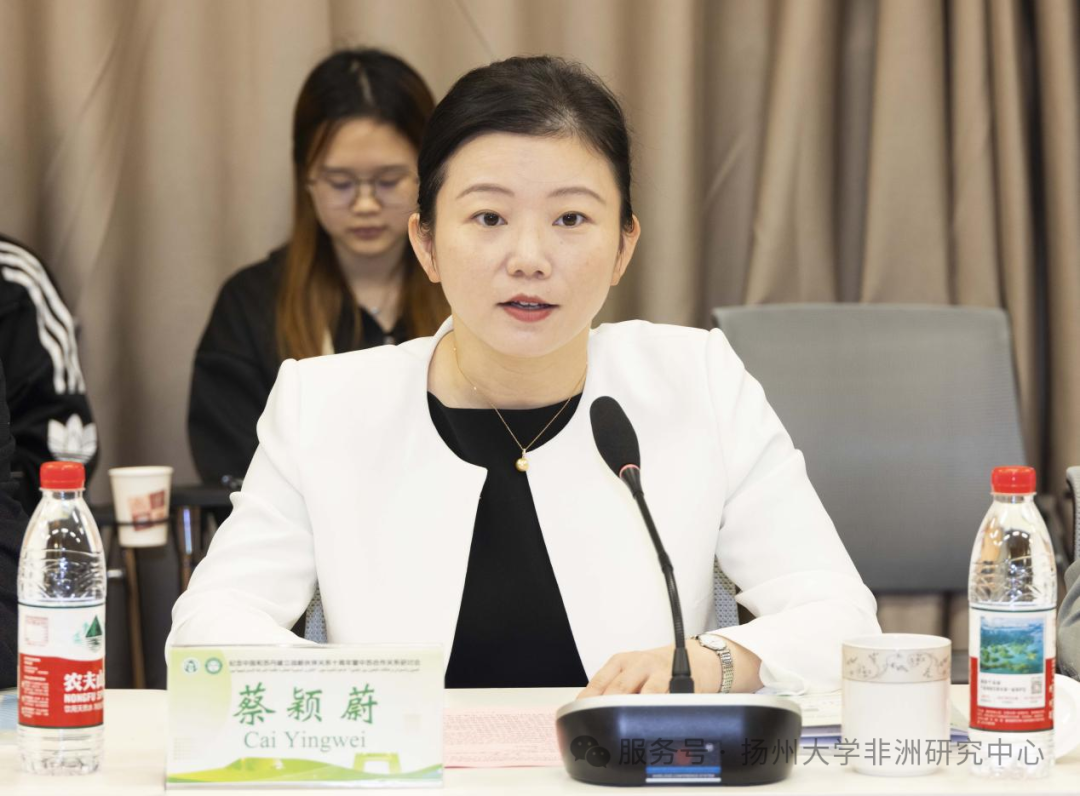
[Remarks by Vice President Cai Yiwei of Yangzhou University]
In her opening address, Vice President Cai Yiwei reviewed the profound ties between the university and Africa since the 1970s, particularly the substantive progress in education and scientific research since pairing with the University of Khartoum in 2010 under the“China-Africa Universities 20+20 Cooperation Plan.”She emphasized that academic institutions are vital bridges for deepening China-Sudan friendship and stated that Yangzhou University will continue to enhance cooperation and exchanges with Sudanese partners in education and scientific research, persistently support the development of the Sudan Research Center, and contribute“Yangzhou University’s strength”and“Yangzhou University’s wisdom”to the advancement of bilateral relations.
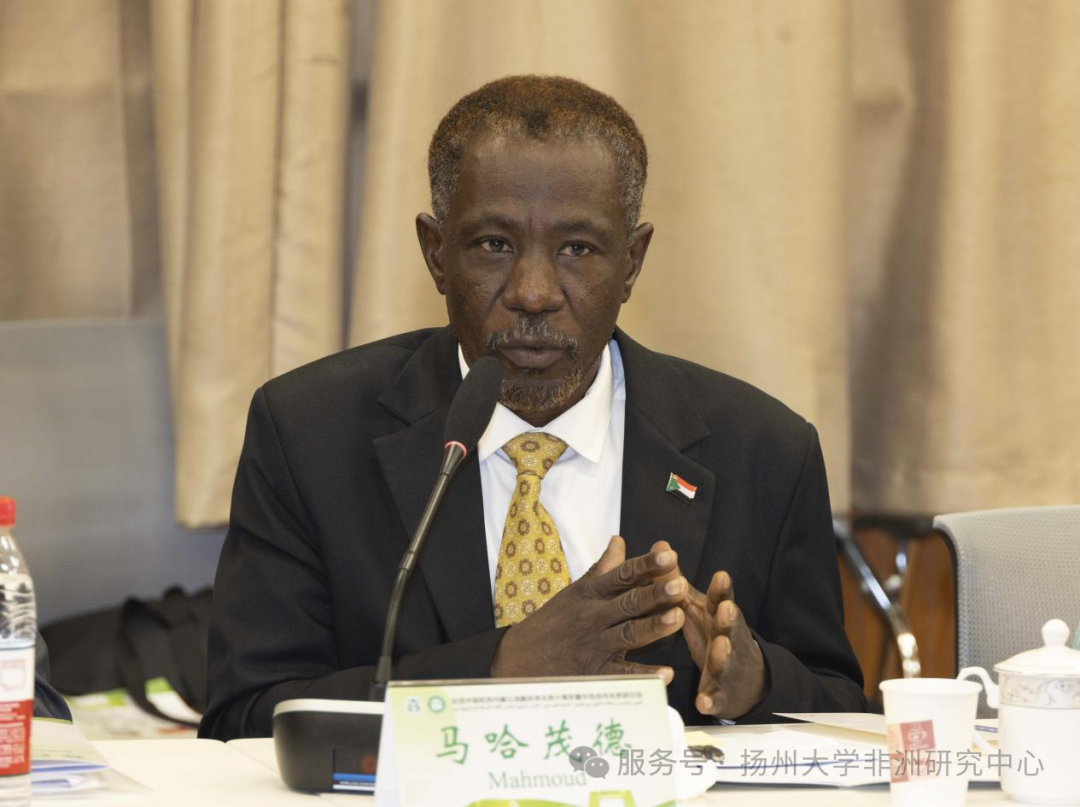
[Remarks by Mahmoud Hamza, Director of the Asian Department of the Sudanese Ministry of Foreign Affairs]
In his address, Mahmoud Hamza highly commended the achievements of bilateral cooperation in infrastructure, energy, culture, and other fields. He reiterated Sudan's firm adherence to the One-China principle and expressed hope that China would continue to increase investments in energy, water conservancy, mining, and other sectors to support Sudan's reconstruction and development.
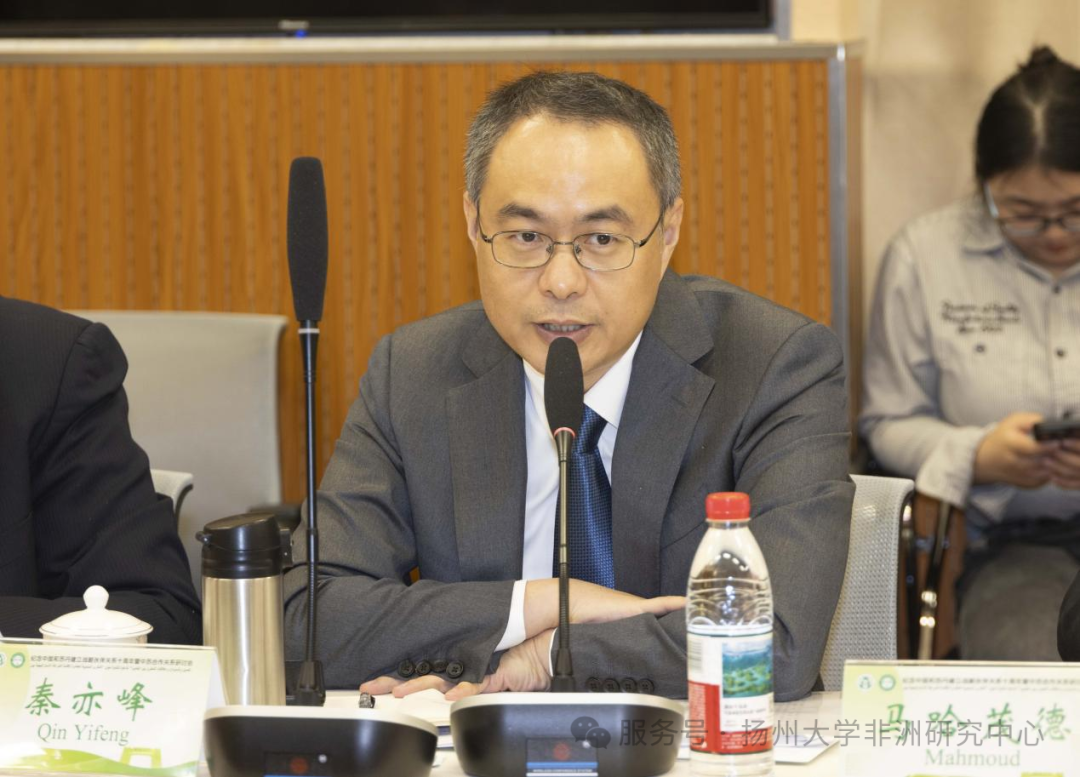
[Remarks by Qin Yifeng, Counsellor of the Asian and African Affairs Department of the Chinese Ministry of Foreign Affairs]
Qin Yifeng noted that over the 66 years since establishing diplomatic ties, China and Sudan have always stood together through thick and thin, achieving remarkable results in practical cooperation. China has assisted Sudan in establishing a complete petroleum industrial system, implemented numerous livelihood projects, and repeatedly provided emergency humanitarian aid during Sudan's difficult times, reflecting the profound friendship between the two countries.
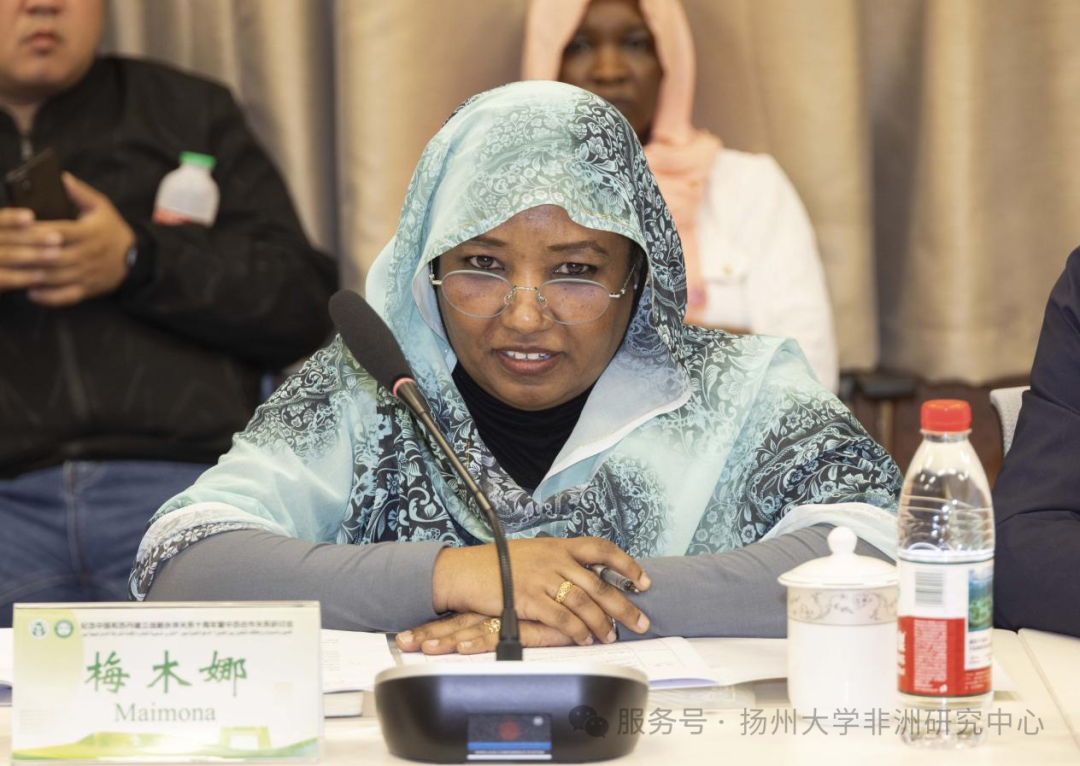
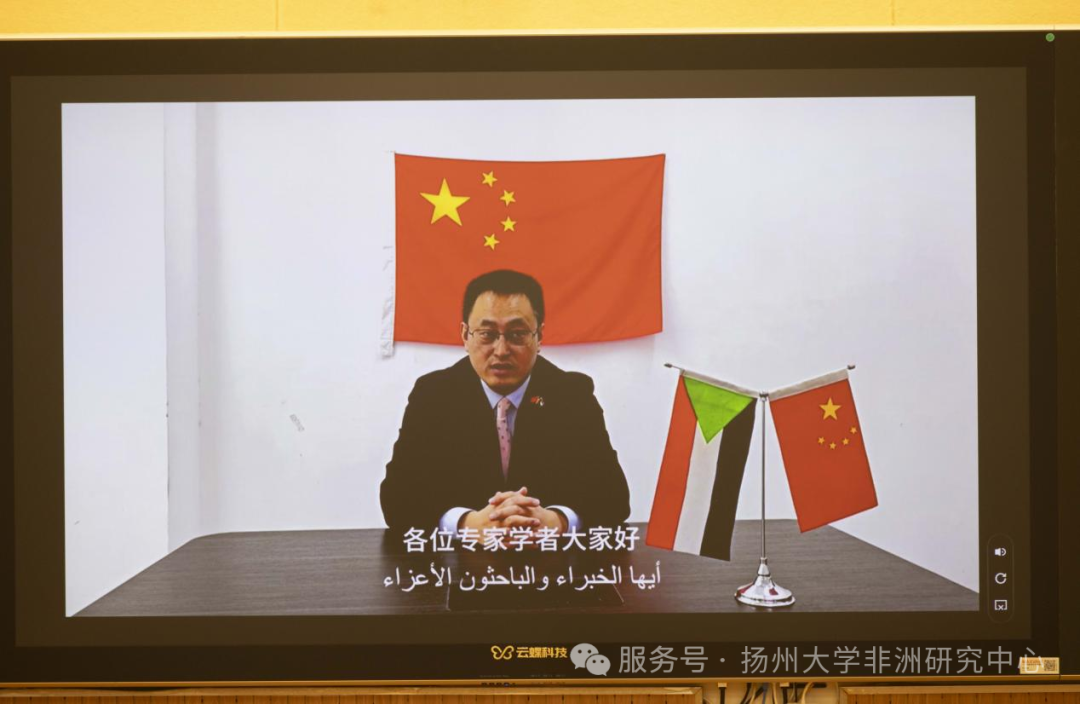
[Remarks by Meimuna Khalid, Chargé d’Affaires of the Sudanese Embassy in China, and Xu Jian, Chargé d’Affaires of the Chinese Embassy in Sudan]
Meimuna Khalid, Chargé d’Affaires of the Sudanese Embassy in China, and Xu Jian, Chargé d’Affaires of the Chinese Embassy in Sudan (participating via video link), agreed that the strategic partnership over the past decade has yielded fruitful results in political, economic, cultural, and security fields. They emphasized the need to further deepen cooperation to jointly address various global challenges.
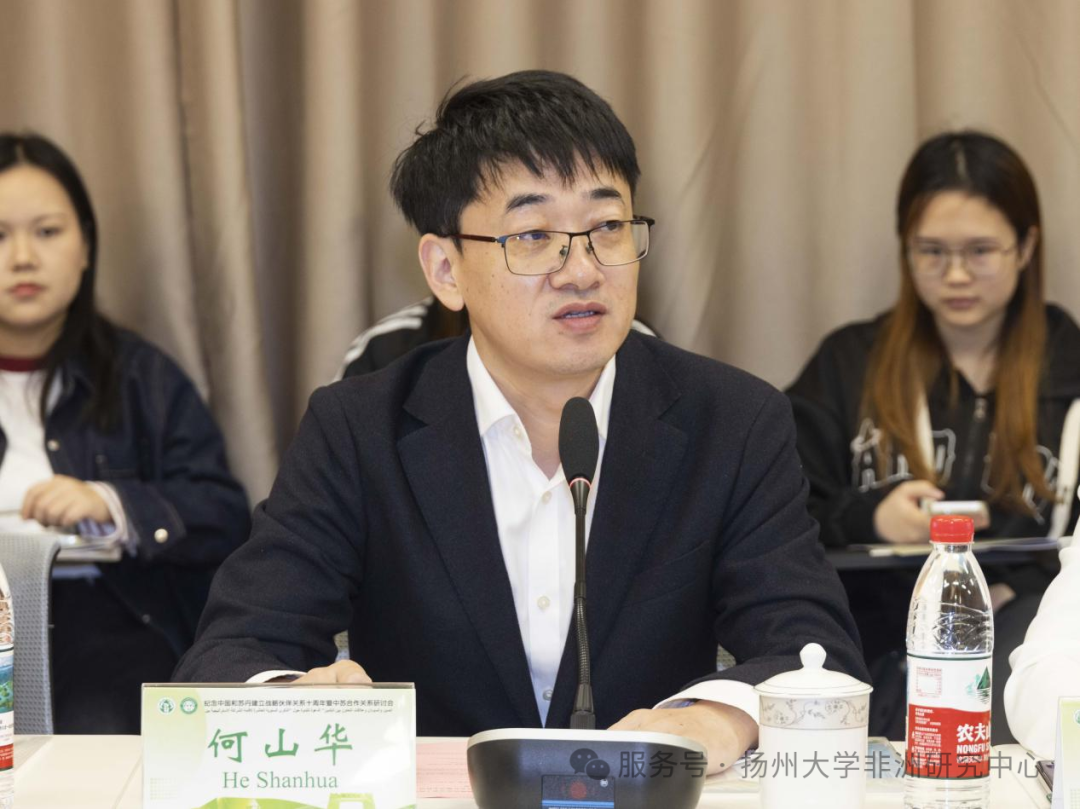
[The opening ceremony was presided over by Professor He Shanhua, Dean of the College of Foreign Languages at Yangzhou University.]
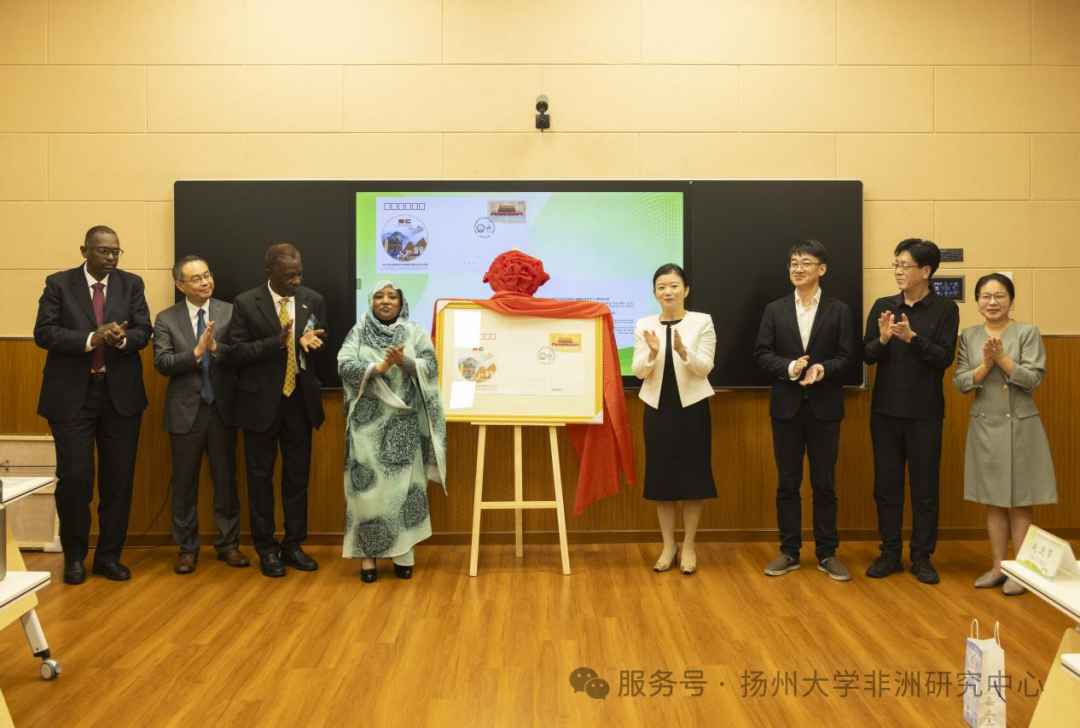
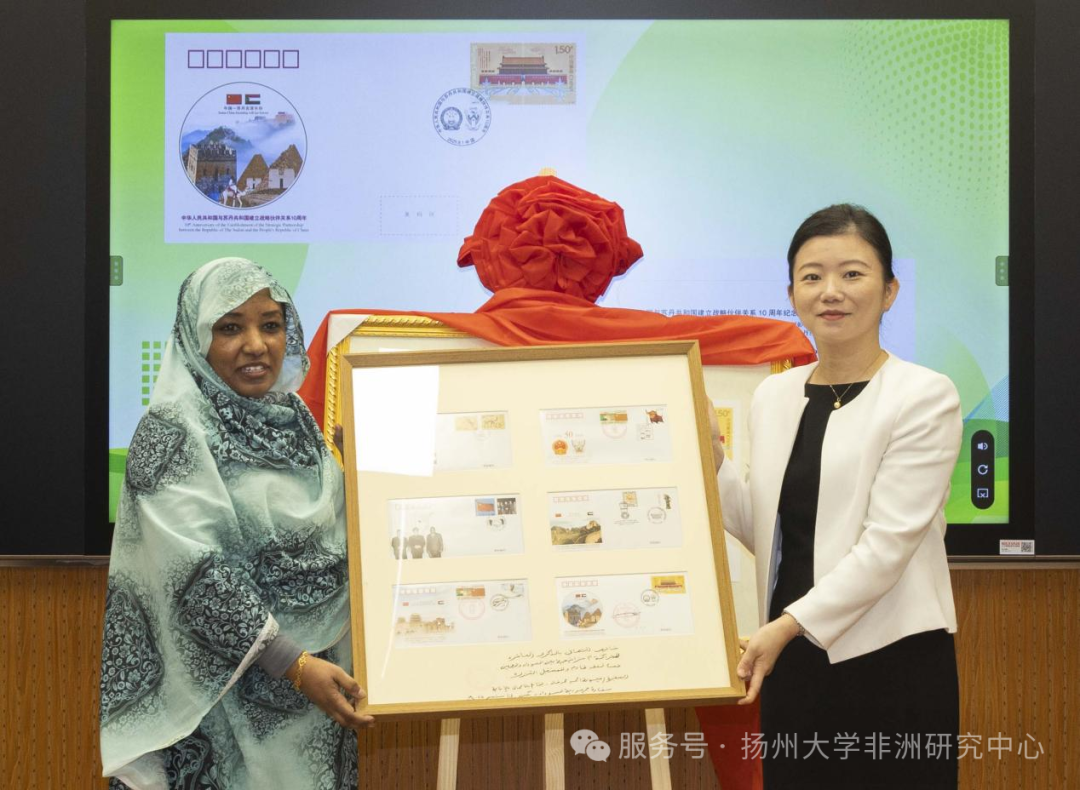
[The commemorative envelope for the 10th anniversary of the China-Sudan Strategic Partnership was officially released during the opening ceremony.]
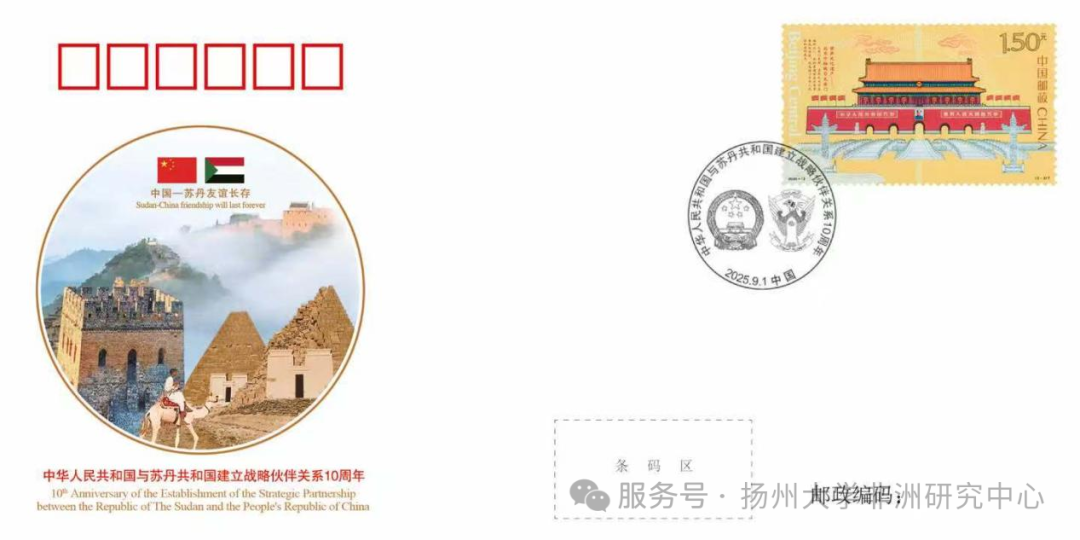
As a significant part of the symposium, the commemorative envelope for the 10th anniversary of the China-Sudan Strategic Partnership was officially released during the opening ceremony. The envelope features the Great Wall of China and Sudanese cultural symbols such as pyramids, camels, and people, integrated with the national emblems of both countries. It is marked with “10th Anniversary of the Establishment of the Strategic Partnership between the People’s Republic of China and the Republic of Sudan” and the historic date of September 1, 2025. The envelope serves not only as a “tangible witness” to the friendly relations between China and Sudan but also carries shared expectations for future cooperation.
[Roundtable Forum Focuses on Reality, Experts and Scholars Discuss New Pathways for Cooperation]
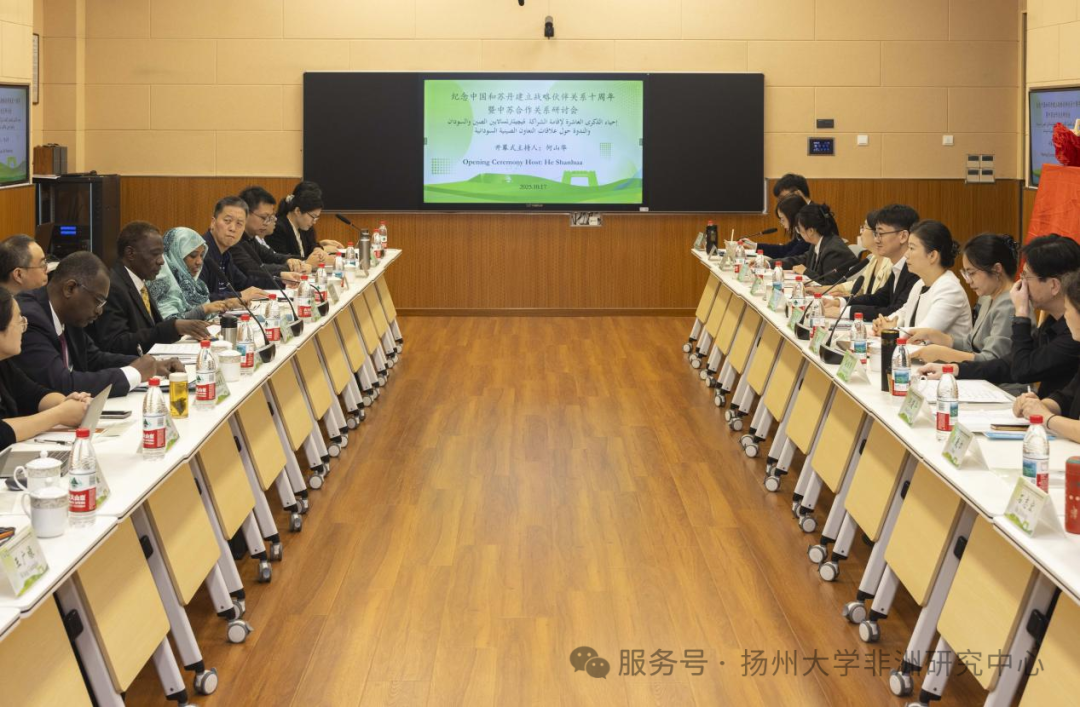
[Scene from the symposium]
During the roundtable forum, participating scholars, diplomats, and international students engaged in in-depth discussions on the opportunities and challenges in the development of China-Sudan relations. Dr. Fu Haina from the Sudan Research Center of Yangzhou University, drawing on her teaching experience at the University of Khartoum, pointed out that although the conflict in Sudan has impacted bilateral cooperation, there remains broad scope for collaboration in conflict resolution and peacebuilding. Researcher Wang Meng from the Middle East Institute of Northwest University cautioned that China should prioritize risk prevention and sustainable development when participating in Sudan’s reconstruction, recommending that enterprises formulate “exit strategies” and encourage private companies to expand into African markets. Associate Professor Liang Juanjuan from Northwest University of Political Science and Law analyzed the root causes of tribal conflicts from the perspective of land systems, suggesting that Sudan explore diverse property rights governance models suited to its national conditions. Dr. Shi Zhihong from Yangzhou University proposed that China’s “Four Major Global Initiatives” (on development, security, civilization, and governance) provide a new framework for bilateral cooperation, enabling “pioneering and experimental” collaboration in areas such as humanitarian assistance and regional reconstruction. Assistant Researcher Yang Yuxin from Zhejiang Normal University noted that although Sudan’s political instability constrains cooperation, there is significant potential in agriculture, mining, and energy transition. Dr. Zhang Jingwei from Beijing Foreign Studies University and Ph.D. candidate Wang Guosen from East China Normal University both emphasized that China’s participation in Sudan’s reconstruction should focus on grassroots livelihoods, promoting “small and beautiful” projects and localized technical training to enhance social resilience. Sudanese foreign lecturer Omar, tracing back to the three-thousand-year history of exchanges, highlighted that China will play a key role in Sudan’s agriculture, infrastructure, and cultural sectors.
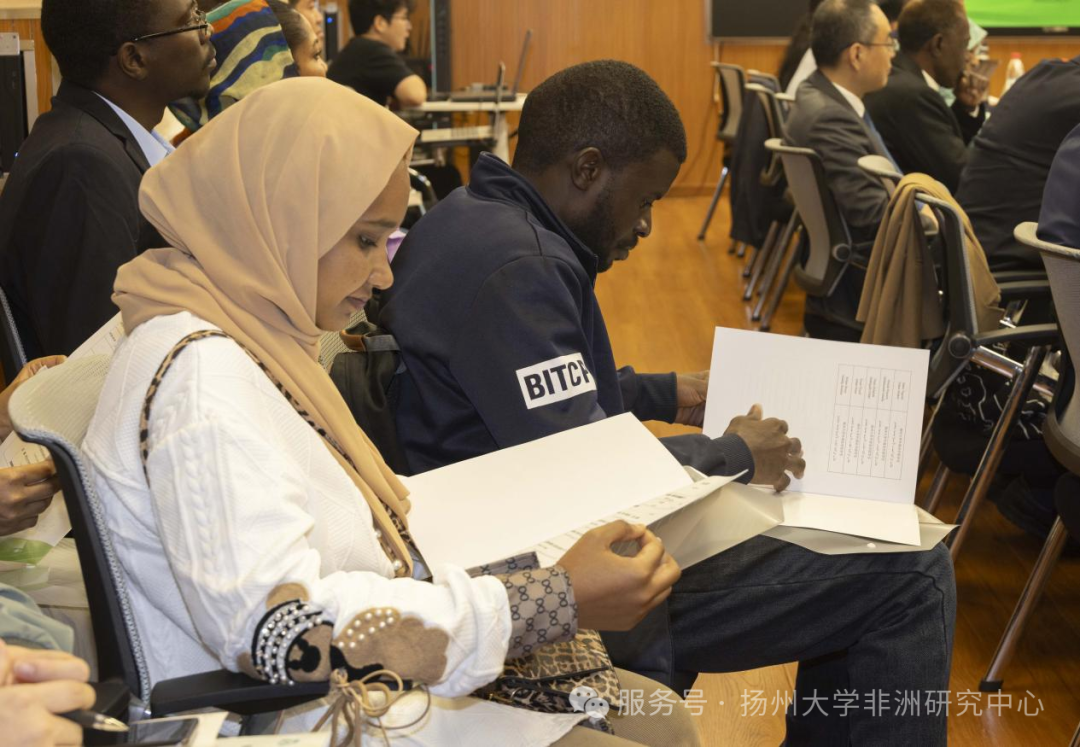
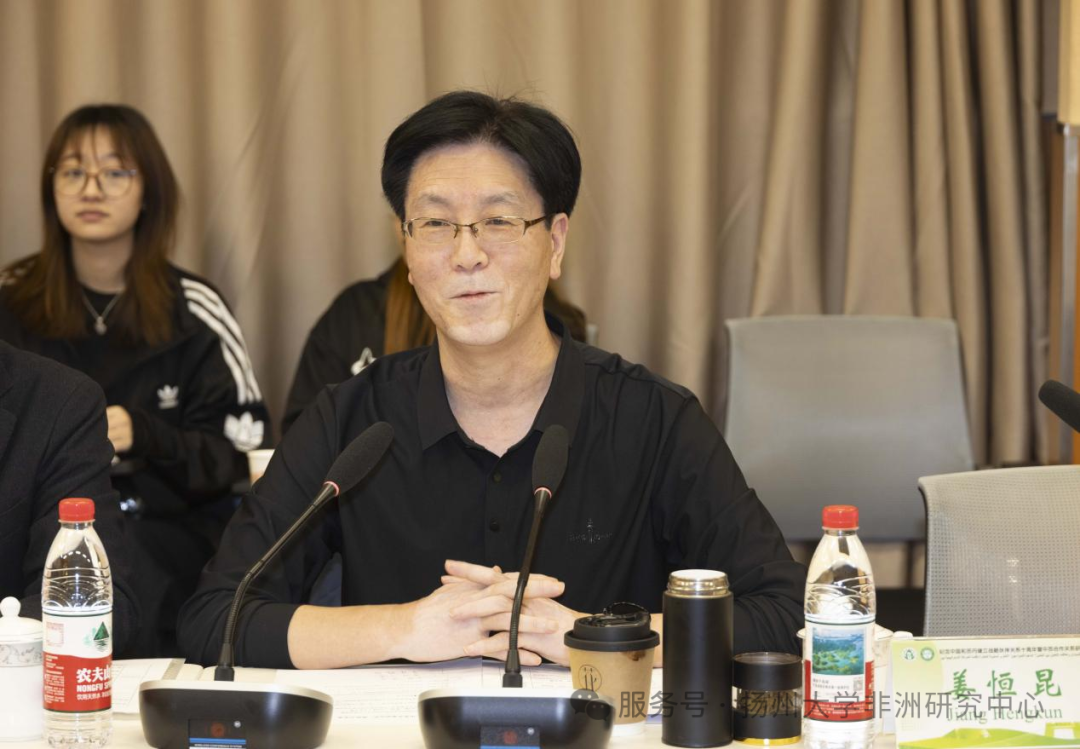
[Scene from the symposium]
[The roundtable forum was chaired by Professor Jiang Hengkun, Distinguished Professor of the Sudan Research Center.]
In the concluding segment of the forum, moderator Professor Jiang Hengkun provided incisive comments on the scholars’ presentations. He deeply analyzed the complexity and protracted nature of the current conflict in Sudan, suggesting that a fundamental resolution is unlikely in the short term. Based on this realistic assessment, he innovatively proposed a pragmatic cooperation approach of “low politics, high livelihood,” recommending a shift in focus from grand political and strategic projects to more flexible and quickly impactful livelihood areas. He elaborated that China’s agricultural technological advantages could be leveraged to initiate food production in relatively safe regions of Sudan, ensuring basic food supply. Simultaneously, Chinese digital payment enterprises and microfinance models could be introduced to Sudan to help local communities restore economic vitality. Professor Jiang emphasized that such “small and beautiful” projects not only provide immediate relief to people’s suffering but also accumulate trust and cultivate talent for future large-scale reconstruction, representing a pragmatic approach to “lighting a candle in the darkness.”
[Consensus for the Future: Pragmatically Advancing China-Sudan Cooperation]
The diplomats, experts, scholars, and faculty and students of Yangzhou University reached multiple consensuses at this symposium: the China-Sudan Strategic Partnership, after a decade of development, has a solid foundation and profound significance; China should play a constructive role with a focus on humanitarian assistance and livelihood security, while respecting Sudan’s sovereignty; cooperation models should shift from “government-led” to “collaborative participation by enterprises, academic institutions, and civil society”; country-specific research should be strengthened to build China's autonomous knowledge system on Sudan, providing intellectual support for policy formulation and social interactions. This symposium gathered wisdom through academic exchanges and pooled strength through sincere dialogue, systematically reviewing the achievements of the past decade of the China-Sudan Strategic Partnership and charting a pragmatic direction for future cooperation. Although challenges remain ahead, under the principles of mutual respect and mutual benefit, China-Sudan relations will undoubtedly weather the storms and usher in a more stable tomorrow. (Correspondent: Shi Zhihong, Sudan Research Center, Yangzhou University)
For more:
https://mp.weixin.qq.com/s/t9T3duu1OdXDV8InHBHfuA?scene=1&click_id=2
 苏公网安备 32100302010246号